
Unlock the Secret to Perfectly Spaced Seating: A Simple Guide to Chair Spacing Requirements
Have you ever attended an event where you felt cramped and uncomfortable? Or perhaps you've organized an event and noticed guests struggling to navigate between tables and chairs? These issues often stem from inadequate chair spacing. Getting your chair spacing requirements right is crucial for creating a comfortable and functional event space. It's not just about fitting as many people as possible; it's about ensuring your guests have a pleasant experience. This guide will simplify the math behind chair spacing, providing you with the knowledge and tools to create the perfect layout for your next wedding, corporate event, or party. Let's dive in and discover how to optimize your space and keep your guests comfortable!
Key Takeaways
- Understanding chair spacing requirements is essential for guest comfort and safety.
- Planning tools like EventFloorPlanner.com can streamline the layout process.
- Overlooking aisle widths and accessibility can lead to significant issues.
Why Does Chair Spacing Matter?
Chair spacing is far more than just an aesthetic consideration. It directly impacts your guests' comfort, safety, and overall experience. Imagine trying to navigate a crowded room, squeezing between chairs, and bumping into tables. Not fun, right? Adequate chair spacing allows guests to move freely, converse comfortably, and easily access amenities. It also ensures compliance with safety regulations, particularly regarding emergency exits.
Think about the flow of your event. Will guests be mingling? Will there be food service? Will there be dancing? All of these activities require sufficient space. Skimping on chair spacing can create bottlenecks, disrupt the flow, and ultimately detract from the enjoyment of your event. Poor planning in this area might make your guests feel like you don't care about their comfort.
Essential Measurements: Getting the Numbers Right
Before you start arranging chairs, you need to understand the key measurements involved. The first is the chair footprint – the amount of space a single chair occupies. This typically ranges from 1.5 to 2 feet wide and deep. Next, consider the aisle width, the clear space needed for guests to walk between rows of chairs. A minimum of 3 feet is recommended for main aisles, while 2 feet may suffice for smaller pathways. Finally, don't forget table spacing, which determines how much room guests have to sit comfortably around tables. A general guideline is to allow at least 2 feet between the edge of the table and the back of the chair.
These measurements aren't just arbitrary numbers; they're based on human ergonomics and safety standards. Underestimating these requirements can lead to cramped conditions and potential hazards. Always err on the side of generosity when it comes to chair spacing. A little extra room can make a big difference in your guests' comfort and enjoyment.
Step-by-Step: Calculating Your Chair Spacing Needs
Now, let's put these measurements into practice. Here's a step-by-step guide to calculating your chair spacing requirements:
Determine Your Event Space Dimensions
Measure the length and width of your venue. This will give you a baseline for your layout.
Choose Your Seating Style
Will you be using rows of chairs, round tables, or a combination? The seating style will significantly impact your chair spacing.
Calculate Chair Footprint
Measure the width and depth of the chairs you'll be using. Add a few extra inches for wiggle room.
Determine Aisle Widths
Plan for main aisles (at least 3 feet) and secondary aisles (at least 2 feet). These should be wide enough for people to comfortably walk and move around.
Create a Layout
Use a floor plan tool like EventFloorPlanner.com to visualize your seating arrangement. Experiment with different layouts to optimize space and flow. You can also explore Free Templates to get a head start.
Factor in Additional Space
Don't forget to account for things like dance floors, buffet tables, and staging areas.
Using EventFloorPlanner.com to Optimize Your Layout
EventFloorPlanner.com is a free and easy-to-use tool that can help you visualize and optimize your chair spacing. The drag-and-drop interface makes it simple to create different layouts and experiment with various seating arrangements. You can easily adjust chair spacing, aisle widths, and table placements to see how they impact the overall flow of your event. Plus, no signup is required!
With EventFloorPlanner.com, you can avoid the headaches of manual calculations and guesswork. The tool allows you to input your venue dimensions, choose your seating style, and then drag and drop chairs and tables into place. The tool automatically calculates the available space and alerts you if you're exceeding the capacity. This ensures that you're not only creating a comfortable space but also adhering to safety regulations.
Tips for Maximizing Space Without Sacrificing Comfort
Want to squeeze in a few more guests without making everyone feel like sardines? Here are some tips for maximizing space while maintaining comfort:
- Choose the right chairs: Opt for chairs with a smaller footprint. Stackable chairs can also be a great option for maximizing storage space.
- Consider banquet seating: Benches or booths can often accommodate more people in a smaller space than individual chairs.
- Utilize vertical space: Incorporate tall centerpieces or decorations to draw the eye upward and create a sense of spaciousness.
- Optimize table arrangements: Experiment with different table shapes and sizes to find the most efficient use of space.
- Streamline your layout: Eliminate unnecessary furniture or decorations that clutter the space.
Remember, it's always better to prioritize comfort over capacity. A slightly less crowded event where guests can move freely and comfortably will be far more enjoyable than a jam-packed event where everyone feels squeezed in.
Real-World Examples: Chair Spacing in Action
Let's look at some real-world examples to illustrate the importance of proper chair spacing:
- Wedding Reception: For a wedding reception with round tables, ensure at least 5 feet between tables to allow guests to move freely and servers to navigate easily.
- Corporate Conference: In a conference setting with rows of chairs, provide at least 3 feet of aisle width for attendees to access restrooms and refreshments.
- Theater-Style Seating: For a presentation or performance, allow at least 33 inches between rows of chairs to provide adequate legroom.
These are just general guidelines, but they highlight the importance of considering the specific needs of your event when planning your chair spacing. Always adapt your layout to suit the unique characteristics of your venue and the activities you have planned.
Common Chair Spacing Mistakes (And How to Avoid Them)
Even with careful planning, it's easy to make mistakes when calculating chair spacing. Here are some common errors and how to avoid them:
- Underestimating aisle widths: This is a common mistake that can lead to congestion and frustration. Always err on the side of generosity when planning aisle widths.
- Ignoring table spacing: Guests need enough room to sit comfortably around tables without bumping elbows.
- Overlooking emergency exits: Ensure that all emergency exits are clear and accessible. Never block them with chairs or tables.
- Failing to consider the flow of the event: Think about how guests will move through the space and adjust your layout accordingly.
By being aware of these common mistakes, you can avoid them and create a more comfortable and functional event space.
Accessibility Considerations for Inclusive Seating
Creating an inclusive event means ensuring that everyone, regardless of their physical abilities, can participate comfortably. When planning your chair spacing, consider the following accessibility requirements:
- Wheelchair Spaces: Provide designated wheelchair spaces with clear sightlines to the stage or focal point. These spaces should be integrated into the seating arrangement, not relegated to the back of the room.
- Accessible Aisles: Ensure that all aisles are wide enough for wheelchairs to navigate easily. A minimum width of 36 inches is recommended.
- Ramps and Elevators: If your venue has multiple levels, make sure there are ramps or elevators available for guests with mobility issues.
- Assistive Listening Devices: Provide assistive listening devices for guests with hearing impairments.
- Clear Signage: Use clear and easy-to-read signage to direct guests to accessible entrances, restrooms, and seating areas.
By incorporating these accessibility considerations into your chair spacing plan, you can create a welcoming and inclusive event for all your guests.
Expert Tips for Flawless Event Layouts
Want to take your event layout skills to the next level? Here are some expert tips to help you create truly flawless event spaces:
- Prioritize the focal point: Arrange your seating to maximize visibility of the stage, head table, or other focal point.
- Create zones: Use furniture and decorations to create distinct zones for different activities, such as dining, dancing, and socializing.
- Pay attention to lighting: Use lighting to create ambiance and highlight key features of your event space.
- Incorporate natural elements: Add plants, flowers, or other natural elements to create a more inviting and refreshing atmosphere.
- Consider acoustics: Pay attention to the acoustics of your venue and take steps to minimize echo and noise.
By incorporating these expert tips into your event planning process, you can create truly memorable and impactful events.
Frequently Asked Questions
Written by
Event Floor Planner Team
Helping event planners create stunning floor plans and seating charts for weddings, corporate events, and special celebrations.
Stay in the Loop
Get expert event planning tips, layout ideas, and exclusive guides delivered weekly.
No spam. Unsubscribe anytime.
Related Articles
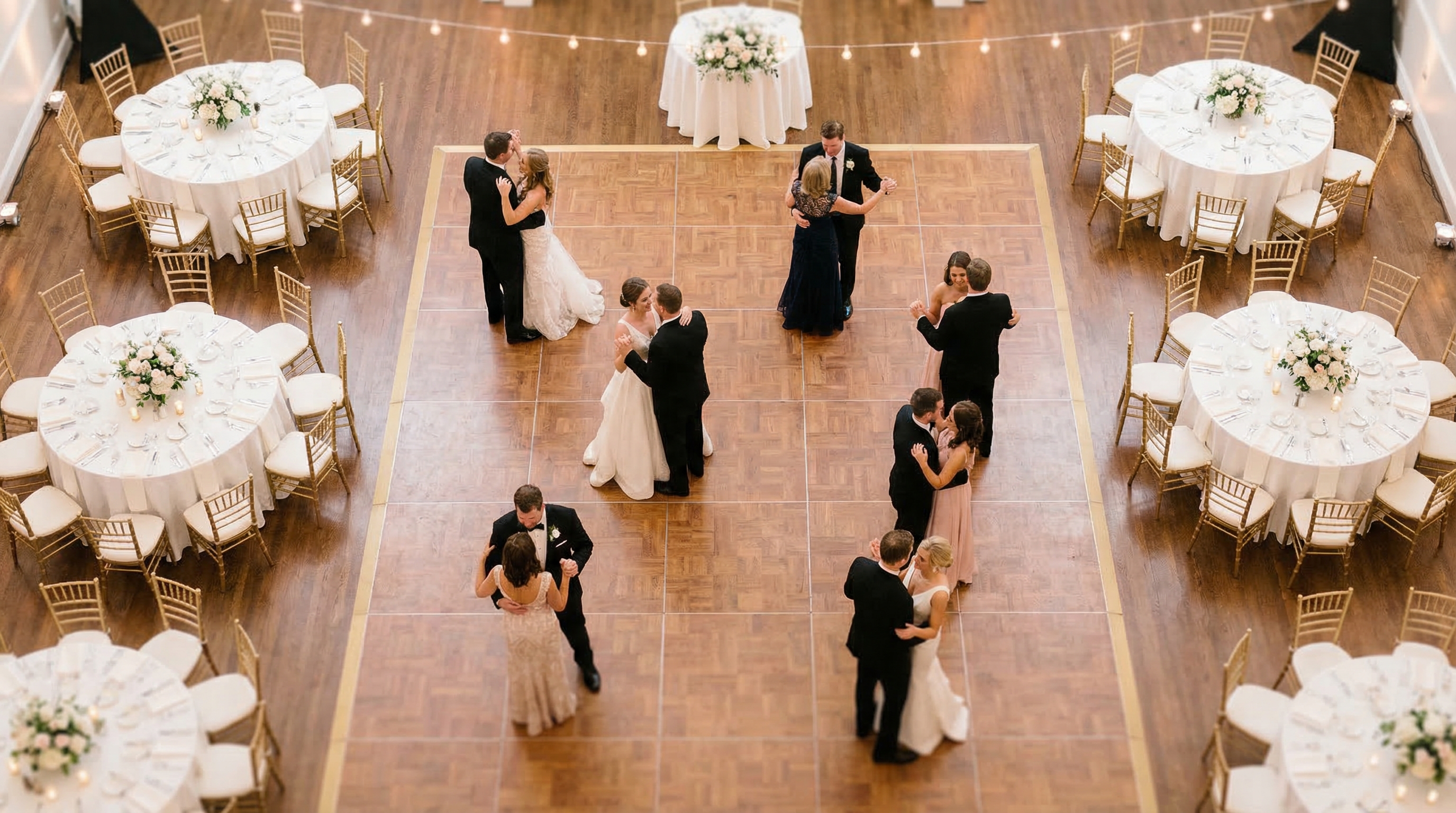
Finally — a Dance Floor Dimensions Guide That Makes Sense
Finally — a Dance Floor Dimensions Guide That Makes Sense Planning an event? You're probably thinking about the music, the food, and the overall vibe. But have you considered the dance floor? The...
Finally — a Emergency Exit Planning Guide That Makes Sense
Finally — An Emergency Exit Planning Guide That Makes Sense Planning an event is more than just picking out decorations and choosing a menu. You've got to think about safety, too. A key part of a...
Real Yacht Event Setup Layouts From Real Events
Dreaming of a Yacht Event Setup? Let's Make Waves! Planning an event on a yacht? Picture this: gentle waves, stunning views, and a perfectly designed space for your guests to mingle and celebrate....