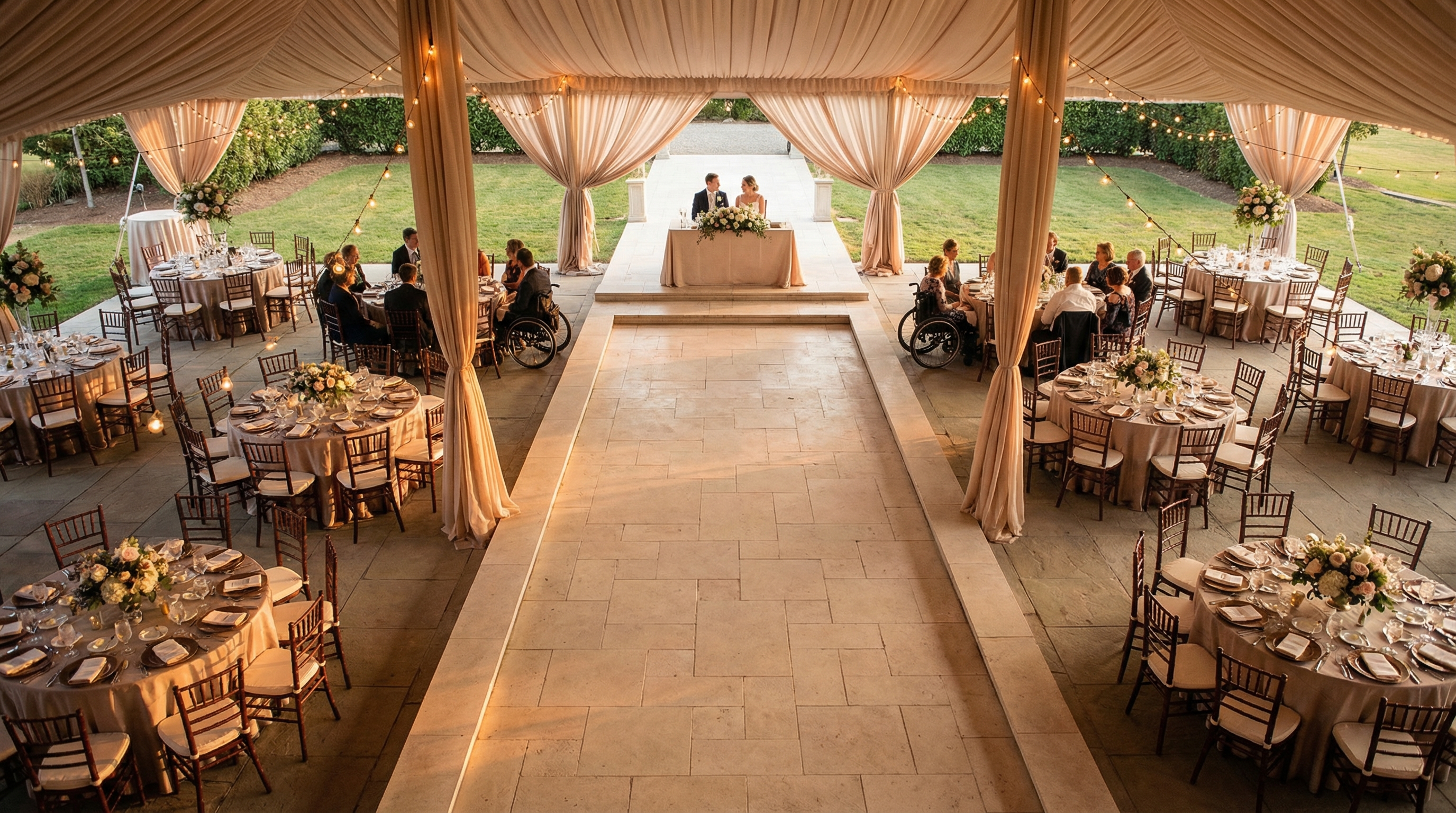
Wheelchair Accessible Wedding: What Every Bride Needs to Know
Planning a wedding is a monumental task, filled with countless decisions, from the venue and catering to the flowers and guest list. But what if you or a loved one requires wheelchair accessibility? Ensuring your special day is inclusive and comfortable for everyone is not just a matter of logistics; it’s about creating a welcoming and memorable experience for all your guests. This comprehensive guide will walk you through everything you need to consider when planning a wheelchair accessible wedding, so you can focus on celebrating your love story.
From venue selection and accessible transportation to seating arrangements and emergency planning, we’ll cover all the essential elements to make your wedding day truly inclusive. Don't let accessibility be an afterthought. Let’s dive in and make your dream wedding a reality for everyone!
Key Takeaways
- Prioritize venue accessibility from the outset, considering ramps, elevators, and accessible restrooms.
- Communicate openly with vendors and guests about accessibility features and accommodations.
- Plan for accessible transportation options and seating arrangements that cater to wheelchair users.
Why Accessibility Matters for Your Wedding
Accessibility isn't just about following regulations; it's about showing your love and respect for everyone you invite to share your special day. Imagine a loved one being unable to fully participate in your wedding celebration due to physical barriers. That's why planning a wheelchair accessible wedding is so important.
It's about creating an inclusive environment where everyone feels welcome, valued, and able to enjoy the festivities without limitations. When you prioritize accessibility, you’re making a statement that everyone's comfort and enjoyment matter.
Furthermore, accessibility benefits more than just wheelchair users. Think about elderly guests, individuals with mobility aids like walkers or canes, or even parents with strollers. By addressing accessibility, you're creating a more comfortable and enjoyable experience for a wider range of guests.
Choosing the Perfect Wheelchair Accessible Venue
The venue is the foundation of your wedding, and its accessibility is crucial for a wheelchair accessible wedding. Start your search by explicitly asking venues about their accessibility features. Don't rely solely on their website or brochures; have a detailed conversation about what they offer.
Consider these key elements when evaluating potential venues:
- Ramps and Elevators: Ensure ramps are present at all entrances and that elevators are available for multi-level venues.
- Accessible Restrooms: Confirm that restrooms are spacious enough for wheelchair maneuverability and have grab bars.
- Wide Doorways and Pathways: Doorways and hallways should be at least 32 inches wide to accommodate wheelchairs comfortably.
- Smooth, Level Surfaces: Avoid venues with uneven terrain, stairs without ramps, or thick carpeting that can be difficult to navigate.
Don't hesitate to ask for a tour of the venue specifically focusing on accessibility. Bring a wheelchair or have someone who uses one accompany you to assess the space firsthand. This will help you identify any potential challenges and ensure the venue truly meets your needs.
Communicating Accessibility Information to Your Guests
Clear and open communication is key to ensuring your guests feel comfortable and prepared for your wheelchair accessible wedding. Don't assume everyone will know what to expect. Be proactive in providing detailed information about accessibility features.
Here's how to effectively communicate accessibility information:
- Wedding Website: Dedicate a section of your website to accessibility details. Include information about parking, entrances, restrooms, and specific accommodations.
- Invitations: Include a line on your RSVP card asking guests to indicate any accessibility needs or dietary restrictions. This allows you to plan accordingly.
- Welcome Packets: If you're providing welcome packets for out-of-town guests, include a map highlighting accessible routes and facilities at the venue.
- Contact Person: Designate a point of contact for accessibility-related questions. This could be a wedding planner, a family member, or a trusted friend.
Be prepared to answer questions about specific needs and provide personalized assistance. The more information you provide upfront, the more comfortable and confident your guests will feel.
Creating an Accessible Ceremony and Reception Layout
The layout of your ceremony and reception spaces plays a significant role in ensuring a wheelchair accessible wedding. Thoughtful planning can make a world of difference in your guests' experience.
Here's how to create an accessible layout:
Accessible Seating
Reserve seating near the front for guests using wheelchairs or with limited mobility. Ensure there's ample space for maneuvering and easy access to aisles.
Spacious Aisles
Widen aisles to at least 48 inches to accommodate wheelchairs and other mobility devices. This allows for comfortable movement and prevents congestion.
Ramps and Level Surfaces
Ensure any raised platforms or stages have ramps for wheelchair access. Avoid steps or ledges that could pose a barrier.
Accessible Dance Floor
If possible, create a designated dance area with a smooth, level surface that's easy to navigate in a wheelchair.
Table Arrangements
When planning seating arrangements, consider the needs of guests using wheelchairs. Ensure there's enough space around tables for comfortable maneuvering and access.
Tools like EventFloorPlanner.com can be incredibly helpful in visualizing your event layout and ensuring accessibility. The free, drag-and-drop interface allows you to experiment with different seating arrangements and identify potential accessibility challenges before the big day. You can even use free templates to start your planning!
Accessible Transportation: Getting There with Ease
Transportation is another crucial aspect of a wheelchair accessible wedding. Ensure your guests can arrive and depart comfortably and safely.
Consider these transportation options:
- Accessible Shuttle Services: Arrange for wheelchair-accessible shuttle services to transport guests between hotels, the ceremony, and the reception.
- Designated Parking: Provide designated accessible parking spaces close to the venue entrance. Clearly mark these spaces and ensure they are properly sized.
- Drop-Off Zones: Create a designated drop-off zone near the entrance for guests who may need assistance getting from their vehicles to the venue.
- Public Transportation: If your venue is accessible by public transportation, provide information on accessible routes and schedules.
Communicate transportation options clearly to your guests in advance. Provide contact information for shuttle services and detailed directions to the venue, including accessible parking locations.
Vendor Selection: Ensuring Accessibility is a Priority
Your vendors play a critical role in bringing your wedding vision to life, so it's essential to choose vendors who understand and prioritize accessibility for your wheelchair accessible wedding.
Here's how to ensure your vendors are on board:
- Catering: Discuss dietary restrictions and allergies with your caterer to ensure they can provide suitable meal options for all guests.
- Photography/Videography: Inform your photographer and videographer about any specific accessibility needs so they can adjust their approach accordingly.
- Entertainment: Ensure your DJ or band has accessible setup requirements and can accommodate guests with hearing impairments. Consider providing assistive listening devices if needed.
- Rentals: Work with your rental company to ensure you have accessible tables, chairs, and other necessary equipment.
Don't hesitate to ask potential vendors about their experience with accessible weddings and their willingness to accommodate specific needs. Clear communication from the outset will help ensure a smooth and inclusive wedding day.
Emergency Planning: Preparedness is Key
While we hope for the best, it's essential to have an emergency plan in place for your wheelchair accessible wedding, especially concerning accessibility.
Consider these emergency planning measures:
- Evacuation Routes: Identify accessible evacuation routes and ensure they are clearly marked.
- Emergency Contacts: Designate individuals responsible for assisting guests with disabilities in case of an emergency.
- Communication Systems: Establish a communication system to alert guests about emergencies and provide instructions.
- First Aid: Ensure that first aid personnel are aware of any specific medical needs of guests with disabilities.
Share your emergency plan with key personnel, including venue staff, wedding planners, and designated emergency contacts. Regularly review and update the plan as needed to ensure its effectiveness.
Examples of Accessible Wedding Details
Let's look at some concrete examples of how you can incorporate accessibility into your wedding details for a truly wheelchair accessible wedding:
- Ceremony Programs: Print large-font versions of your ceremony program for guests with visual impairments.
- Signage: Use clear and concise signage with high contrast lettering to guide guests to accessible facilities.
- Favors: Choose wedding favors that are inclusive and accessible. Avoid items that may be difficult for individuals with limited dexterity to handle.
- Website Accessibility: Ensure your wedding website is accessible to individuals with disabilities by using alt text for images and providing captions for videos.
These small details can make a big difference in ensuring that all your guests feel welcome and included.
"When looking for venues, don’t just ask if the venue is wheelchair accessible, ask them to elaborate. What exactly does that mean? Is it just one small area, or can wheelchairs get to all parts of the venue?" - Easy Weddings
Common Mistakes to Avoid When Planning a Wheelchair Accessible Wedding
Planning a wheelchair accessible wedding can be complex, and it's easy to make mistakes. Here are some common pitfalls to avoid:
- Assuming Compliance: Don't assume that a venue claiming to be "accessible" truly meets all accessibility standards. Verify accessibility features firsthand.
- Ignoring Sensory Needs: Remember that accessibility extends beyond physical limitations. Consider the sensory needs of guests with autism or other sensory sensitivities.
- Lack of Signage: Failing to provide clear and visible signage can make it difficult for guests to navigate the venue and find accessible facilities.
- Forgetting About the Small Details: Overlooking seemingly minor details like table heights or the placement of decorations can create unexpected barriers.
Expert Tips for a Smooth and Inclusive Wedding
Here are some additional expert tips to help you plan a smooth and inclusive wheelchair accessible wedding:
- Consult with Experts: Consider consulting with an accessibility consultant or advocate to ensure your wedding meets the needs of all your guests.
- Involve Guests in the Planning Process: Ask guests about their specific accessibility needs and preferences. This will help you tailor your wedding to their individual requirements.
- Be Flexible and Adaptable: Be prepared to make adjustments to your plans as needed to accommodate unforeseen accessibility challenges.
- Focus on Creating a Welcoming Atmosphere: Above all, focus on creating a warm and inclusive atmosphere where all your guests feel valued and respected.
"Don't be afraid to ask questions! The more information you have, the better you can plan and prepare." - The Knot
Remember, the goal is to create a memorable and joyous celebration for everyone. By prioritizing accessibility, you're ensuring that all your loved ones can fully participate in your special day.
"The key to an inclusive wedding is to think about all of your guests and their needs. It's not just about wheelchair accessibility; it's about making sure that everyone feels comfortable and welcome." - Brides
Frequently Asked Questions
Written by
Event Floor Planner Team
Helping event planners create stunning floor plans and seating charts for weddings, corporate events, and special celebrations.
Stay in the Loop
Get expert event planning tips, layout ideas, and exclusive guides delivered weekly.
No spam. Unsubscribe anytime.
Related Articles

27 Trade Show Booth Layout Strategies That Actually Work
Unlock Trade Show Success: 27 Booth Layout Strategies That Convert Are you ready to make a splash at your next trade show? Your booth is your stage, and its layout is your script. A well-designed...
Barn Wedding Floor Plan Made Easy: a Step-by-Step Guide
Barn Wedding Floor Plan Made Easy: A Step-by-Step Guide Dreaming of a rustic and romantic barn wedding? You're not alone! Barn weddings are increasingly popular, offering a unique blend of charm a...
27 After Party Floor Plan Strategies That Actually Work
Unlock the Secrets to an Unforgettable After Party with a Killer Floor Plan So, you've planned an amazing event. The main course was delicious, the music was on point, and everyone’s having a blas...