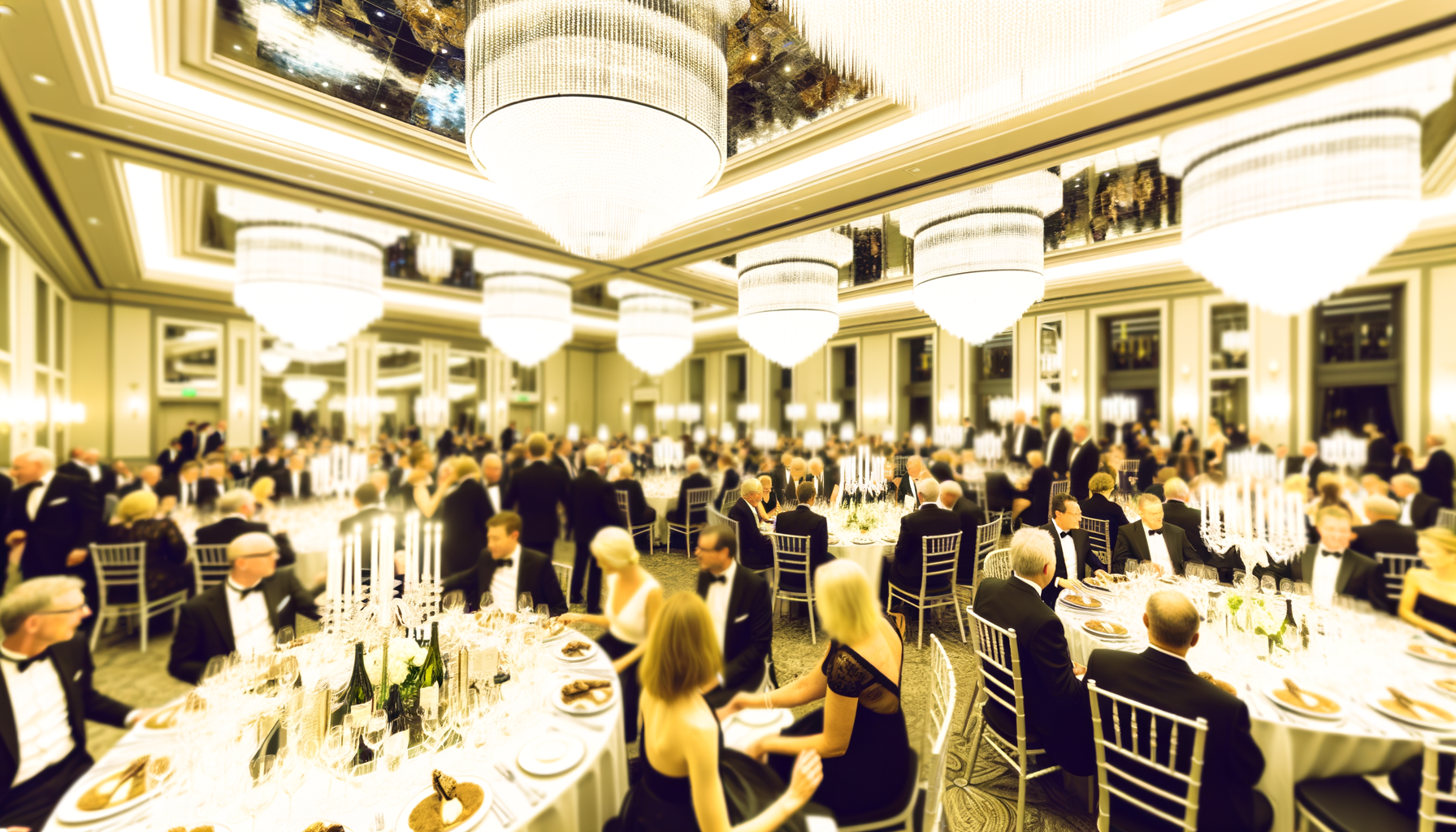
The Professional's Guide to Gala Dinner Floor Plan
Planning a gala dinner? You know how important it is to get every detail right. From the menu to the entertainment, each element contributes to the overall experience. But one crucial aspect that often gets overlooked is the floor plan. A well-designed gala dinner floor plan can make the difference between a smoothly run, memorable event and a logistical nightmare. It impacts everything from guest flow and seating arrangements to stage visibility and service efficiency. In this guide, we'll walk you through the essential steps to creating a floor plan that ensures your gala dinner is a resounding success. We'll cover everything from initial considerations to practical implementation, offering tips and insights to help you avoid common pitfalls and create an unforgettable experience for your guests. Leverage tools like EventFloorPlanner.com to bring your vision to life.
Key Takeaways
- A well-designed floor plan is crucial for a successful gala dinner, impacting guest flow, seating, and service.
- Consider factors like venue size, guest count, stage location, and traffic flow when creating your floor plan.
- Use online tools like EventFloorPlanner.com to create and visualize your floor plan easily.
- Pay attention to details like table spacing, accessibility, and emergency exits to ensure guest comfort and safety.
- Optimize the floor plan for smooth service, clear sightlines, and a comfortable, engaging atmosphere.
Why Your Gala Dinner Floor Plan Matters
Think of your gala dinner floor plan as the blueprint for the entire event. It dictates how your guests will move through the space, where they'll be seated, and how easily they can access different areas. A poorly planned layout can lead to bottlenecks, cramped spaces, and frustrated guests. A well-thought-out plan, on the other hand, facilitates a seamless flow, enhances the atmosphere, and contributes to a positive overall experience.
Consider the impact on your catering staff. A clear, efficient floor plan allows them to navigate the room easily, ensuring timely and unobtrusive service. The placement of the stage and audio-visual equipment also relies heavily on the floor plan, ensuring optimal sightlines and sound quality for all attendees. Ultimately, your gala dinner floor plan is the foundation upon which you build a memorable and successful event.
Key Considerations Before You Start
Before you even open your floor planning software (like EventFloorPlanner.com!), there are some crucial factors to consider. These will form the foundation of your design and ensure that your layout meets the specific needs of your event.
- Venue Size and Shape: This is the most obvious factor. What are the dimensions of the room? Are there any unusual architectural features or obstructions?
- Guest Count: How many people are you expecting? This will directly impact the number of tables and chairs you need.
- Stage and Entertainment: Where will the stage be located? How much space will the performers need? Will there be a dance floor?
- Catering and Service Areas: Where will the food be prepared and served? How will catering staff access the room?
- Traffic Flow: How will guests enter and exit the room? How will they move between different areas like the bar, restrooms, and registration desk?
- Accessibility: Ensure your floor plan is accessible to guests with disabilities, including wheelchair users.
- Emergency Exits: Clearly mark all emergency exits and ensure they are easily accessible and unobstructed.
Step-by-Step: Creating Your Gala Dinner Floor Plan
Now, let's get down to the practical steps of creating your gala dinner floor plan. Here's a step-by-step guide to help you through the process:
Measure and Map the Venue
Obtain accurate measurements of the venue, including the length, width, and height of the room. Note any permanent fixtures like pillars, windows, and doors. Create a basic sketch of the venue layout, either manually or using a digital tool.
Determine Seating Capacity
Based on your guest count and the venue size, determine the number of tables you'll need and the number of guests per table. Consider different table shapes and sizes to maximize space and create a visually appealing layout. Round tables are often preferred for galas as they encourage conversation.
Plan the Stage and Entertainment Area
Decide on the location and size of the stage. Ensure it's positioned in a way that provides clear sightlines for all guests. Consider the space needed for performers, equipment, and any backdrop or decorations.
Designate Catering and Service Zones
Identify areas for food preparation, service stations, and beverage stations. These areas should be strategically located to minimize disruption to guests and ensure efficient service. Consider proximity to the kitchen and access points for catering staff.
Map Traffic Flow
Plan the flow of guests through the venue, from arrival to seating to accessing amenities. Ensure there are clear pathways and sufficient space to avoid congestion. Consider designating separate entrances and exits to manage traffic effectively.
Add Details and Refine
Add details such as lighting, decorations, and audio-visual equipment to your floor plan. Refine the layout based on feedback and adjust as needed to optimize space and functionality. Use EventFloorPlanner.com to visualize your plan and make changes easily.
Using EventFloorPlanner.com to Design Your Floor Plan
EventFloorPlanner.com is a fantastic tool for creating your gala dinner floor plan. It's free, easy to use, and doesn't require any signup. The drag-and-drop interface makes it simple to add tables, chairs, stages, and other elements to your layout. You can easily adjust the size and placement of each object to create a realistic representation of your venue.
The platform also allows you to experiment with different layouts and seating arrangements. You can quickly duplicate elements, move them around, and see how they affect the overall flow of the room. With its intuitive design and powerful features, EventFloorPlanner.com can save you time and effort in the planning process. Plus, you can access free templates to get you started!
Tips for Optimizing Table Arrangements
The arrangement of tables is a crucial element of your gala dinner floor plan. Here are some tips to help you optimize your table layout:
- Spacing: Ensure there's enough space between tables for guests and service staff to move comfortably. Aim for at least 3-4 feet of space between tables.
- Sightlines: Position tables to provide clear sightlines to the stage and any other focal points. Avoid placing tables directly behind pillars or other obstructions.
- Table Shapes: Consider using a mix of round and rectangular tables to add visual interest and maximize space. Round tables are great for fostering conversation, while rectangular tables can be used to create a more formal setting.
- Head Table: The head table should be prominently positioned and easily visible to all guests. Consider elevating it slightly to give it more prominence.
- Guest Preferences: If possible, take into account guest preferences when assigning seating. Consider factors like age, interests, and relationships to create a harmonious and enjoyable experience.
Lighting and Ambiance Considerations
Lighting plays a significant role in setting the mood and ambiance of your gala dinner. Your floor plan should take into account the placement of lighting fixtures and how they will affect the overall atmosphere. Consider using a combination of ambient, task, and accent lighting to create a layered and dynamic effect.
Strategic placement of spotlights can highlight key areas like the stage or the head table. Uplighting can add a touch of elegance and drama to the walls and architectural features. Dimmer switches allow you to adjust the lighting levels throughout the evening, creating a more intimate and sophisticated atmosphere. Coordinate with your lighting designer to ensure that the lighting complements the overall theme and design of your event.
Examples of Effective Gala Dinner Floor Plans
Let's look at a couple of examples of effective gala dinner floor plan layouts:
Example 1: The Classic Ballroom Layout
This layout features round tables evenly spaced throughout the ballroom, with a central stage at one end. The head table is positioned at the front of the stage, providing a clear view for all guests. Service stations are located along the perimeter of the room, ensuring easy access for catering staff. This layout is ideal for large-scale galas with a focus on entertainment and socializing.
Example 2: The Intimate Dinner Setting
This layout is designed for smaller, more intimate galas. It features a mix of round and rectangular tables, arranged in a more casual and relaxed manner. A small stage is positioned in the corner of the room, with a dance floor adjacent to it. This layout is perfect for creating a warm and inviting atmosphere.
"A well-designed floor plan is essential for creating a successful event. It ensures that guests have ample space to move around, that seating is arranged optimally, and that all necessary amenities are easily accessible." - Eventbrite Blog
Common Mistakes to Avoid
Even with careful planning, it's easy to make mistakes when designing your gala dinner floor plan. Here are some common pitfalls to avoid:
- Insufficient Space: Cramming too many tables into a small space can make guests feel uncomfortable and claustrophobic.
- Blocked Sightlines: Placing tables behind pillars or other obstructions can prevent guests from seeing the stage.
- Poor Traffic Flow: Failing to plan for adequate traffic flow can lead to congestion and bottlenecks.
- Inadequate Service Areas: Insufficient space for catering and service staff can slow down service and disrupt the event.
- Ignoring Accessibility: Neglecting to provide accessible seating and pathways can exclude guests with disabilities.
Expert Tips for a Flawless Gala Dinner
Here are some expert tips to help you create a truly flawless gala dinner:
- Prioritize Guest Comfort: Make sure your guests are comfortable and have enough space to move around.
- Optimize Sightlines: Ensure that all guests have a clear view of the stage and any other focal points.
- Streamline Service: Design your floor plan to facilitate efficient and unobtrusive service.
- Create a Welcoming Atmosphere: Use lighting, decorations, and music to create a warm and inviting atmosphere.
- Plan for Contingencies: Have a backup plan in case of unexpected issues, such as inclement weather or equipment failure.
Before You Finalize Your Gala Dinner Floor Plan
- Double-check all measurements and dimensions.
- Confirm the placement of all tables, chairs, and equipment.
- Verify that there are clear and unobstructed pathways.
- Ensure that the floor plan meets all accessibility requirements.
- Obtain feedback from stakeholders and make any necessary adjustments.
Frequently Asked Questions
Written by
Event Floor Planner Team
Helping event planners create stunning floor plans and seating charts for weddings, corporate events, and special celebrations.
Stay in the Loop
Get expert event planning tips, layout ideas, and exclusive guides delivered weekly.
No spam. Unsubscribe anytime.
Related Articles
Everything You Need to Know About Farewell Party Setup
Your Farewell Party Setup: The Ultimate Guide to Saying Goodbye in Style You've got a big send-off coming up. Maybe you're leaving a job. Maybe a friend is moving across the country. Or perhaps yo...
13 Sweet 16 Layout Tips Your Guests Will Love
Your Sweet 16 Layout Can Make or Break the Party Planning a Sweet 16 is a big deal. It is the first major milestone party. You want it to be unforgettable. But here is the truth no one tells you....
13 Boxing Match Viewing Party Tips Your Guests Will Love
Ready to Throw the Ultimate Fight Night? You love the big fight. The energy, the tension, the knockout. But hosting a boxing match viewing party is different from a regular game day. It's shorte...