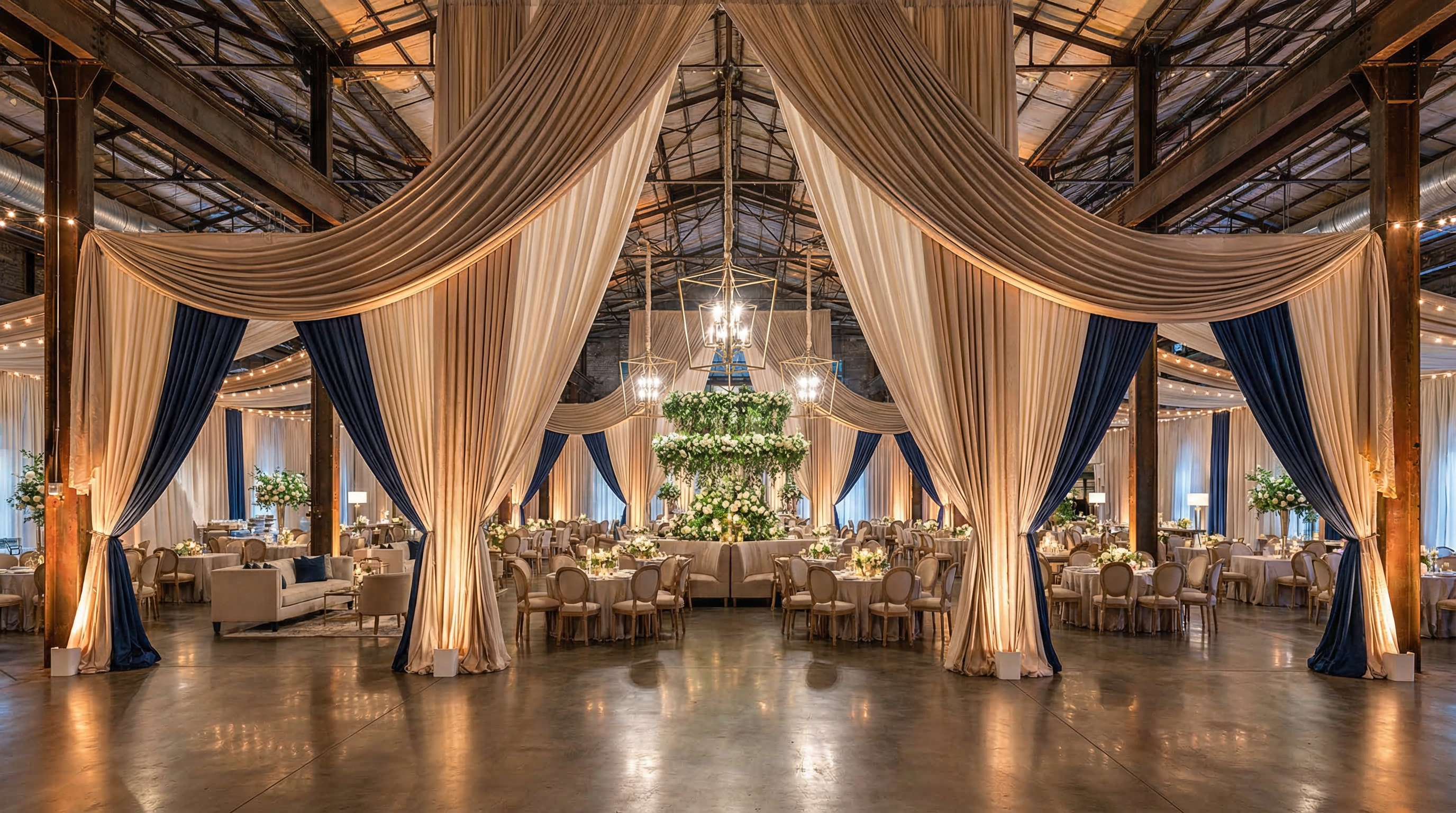
Scale Drawing Events Explained: 27 Layouts for Every Situation
Planning an event can feel overwhelming. From guest lists to catering, the details quickly add up. But one crucial element often overlooked is the event layout. A well-designed floor plan, created through scale drawing events, can be the difference between a successful gathering and a chaotic mess. Whether you're organizing a wedding, a corporate conference, or a small birthday party, understanding how to create a scale drawing will help you visualize the space, optimize traffic flow, and ensure that everything fits comfortably.
This comprehensive guide will walk you through everything you need to know about scale drawing events, from the basic principles to practical tips and examples. We'll cover different layout styles, common mistakes to avoid, and expert advice to help you create the perfect event space. Plus, we'll show you how EventFloorPlanner.com can simplify the process and bring your vision to life – completely free!
Key Takeaways
- Scale drawings are essential for effective event planning.
- Understanding different layout styles will help you optimize your event space.
- Tools like EventFloorPlanner.com make creating scale drawings easy and accessible.
What Exactly Are Scale Drawing Events?
At its core, a scale drawing event involves creating a proportional representation of your event space on paper or digitally. This means that every object and dimension in your drawing corresponds to the actual size of the venue, but reduced by a specific ratio. For example, a scale of 1:50 means that 1 inch on your drawing represents 50 inches (or about 4 feet) in the real world. This allows you to visualize the entire event layout in miniature before you start setting anything up.
Why is this so important? Imagine trying to fit 10 round tables into a room without knowing their diameter or the available space. You might end up with a cramped and uncomfortable environment. A scale drawing eliminates this guesswork, enabling you to experiment with different arrangements, identify potential bottlenecks, and ensure that everything fits perfectly. Think of it as a blueprint for your event, guiding you towards a smooth and successful execution.
The benefits of using scale drawings extend beyond simply fitting everything in. They also help you to optimize the flow of traffic, create designated areas for different activities, and ensure that guests have enough space to move around comfortably. Ultimately, a well-planned layout contributes to a more enjoyable and memorable experience for everyone involved.
Why Bother With Scale Drawings? The Benefits Explained
You might be thinking, "Is creating a scale drawing really necessary?" The answer is a resounding yes! The advantages of using scale drawings in event planning are numerous and can significantly impact the success of your event.
Firstly, scale drawings save time and money. By visualizing the layout beforehand, you can identify potential problems early on and avoid costly mistakes. For instance, you might realize that you need smaller tables or a different stage configuration. Making these adjustments on paper or digitally is far easier and cheaper than rearranging furniture on the day of the event.
Secondly, they improve communication. A detailed scale drawing can be shared with vendors, staff, and other stakeholders to ensure everyone is on the same page. This eliminates confusion and ensures that everyone understands their roles and responsibilities. Caterers can plan their serving stations, AV technicians can position their equipment, and decorators can set up their displays, all based on the same clear and accurate plan.
Finally, scale drawings enhance the overall event experience. By carefully considering the layout, you can create a more comfortable and functional space for your guests. This includes optimizing traffic flow, providing adequate seating, and creating designated areas for different activities. A well-designed layout contributes to a more enjoyable and memorable experience for everyone involved.
Choosing the Right Scale for Your Event Drawing
Selecting the appropriate scale for your drawing is crucial for accuracy and usability. The right scale will allow you to represent the entire venue on a manageable piece of paper or screen while still providing enough detail to accurately place furniture and other elements.
Common scales for event floor plans include:
- 1:50: This scale is often used for smaller venues and allows for a good level of detail.
- 1:100: A popular choice for medium-sized venues, providing a balance between detail and overall size.
- 1:200: Suitable for larger venues, such as convention centers or outdoor spaces, where a smaller scale is needed to fit the entire area on the drawing.
To determine the best scale for your event, consider the size of the venue and the level of detail you need to include. If you're working with a small room and need to show the precise placement of each chair, a larger scale like 1:50 might be appropriate. If you're planning a large outdoor event with multiple stages and vendor booths, a smaller scale like 1:200 might be necessary.
Step-by-Step: Creating a Scale Drawing for Your Event
Creating a scale drawing might seem daunting, but it's actually a straightforward process. Here's a step-by-step guide to help you get started:
Measure Your Venue
The first step is to obtain accurate measurements of your venue. This includes the overall dimensions of the room, as well as the location of doors, windows, columns, and other fixed elements. Use a measuring tape or laser distance measurer for accurate results. Don't forget to note the height of the ceiling as well, especially if you're planning to hang decorations or install lighting fixtures.
Choose Your Scale
Select an appropriate scale based on the size of your venue and the level of detail you need to include. As mentioned earlier, common scales include 1:50, 1:100, and 1:200. Write down your chosen scale for reference.
Draw the Room Outline
Using your chosen scale, draw the outline of the room on paper or digitally. Be sure to accurately represent the shape and dimensions of the space. Mark the location of doors, windows, and other fixed elements. If you're using paper, use a ruler and pencil for precise lines. If you're using a digital tool like EventFloorPlanner.com, simply input the dimensions and the software will create the outline for you.
Add Furniture and Fixtures
Now, it's time to add furniture and fixtures to your drawing. This includes tables, chairs, stages, bars, and any other elements you plan to include in your event. Use your chosen scale to draw these elements to the correct size. Experiment with different arrangements to find the best layout for your event. With EventFloorPlanner.com, this step is drag-and-drop easy!
Consider Traffic Flow
Think about how guests will move through the space. Ensure there are clear pathways and that furniture is not obstructing walkways. Consider the location of key areas, such as the entrance, bar, buffet, and restrooms, and ensure they are easily accessible. A well-planned traffic flow will prevent congestion and create a more comfortable experience for your guests.
Review and Adjust
Once you've completed your scale drawing, review it carefully to ensure that everything fits and that the layout is functional. Make any necessary adjustments to optimize the space and improve the overall event experience. Don't be afraid to experiment with different arrangements until you find the perfect fit.
Leveraging Digital Tools for Scale Drawing Events
While traditional pen-and-paper methods can work, digital tools offer significant advantages for creating scale drawings. Software like EventFloorPlanner.com simplifies the process, saves time, and provides a more professional-looking result.
Here's why digital tools are a game-changer:
- Ease of Use: Drag-and-drop interfaces make it easy to add and arrange furniture and fixtures. No more tedious measuring and drawing!
- Accuracy: Digital tools ensure precise measurements and proportions, eliminating the risk of human error.
- Flexibility: Easily experiment with different layouts and make changes without having to redraw the entire plan.
- Collaboration: Share your drawings with vendors, staff, and clients for easy collaboration and feedback.
- 3D Visualization: Some tools offer 3D views, allowing you to visualize the event space in a realistic way.
EventFloorPlanner.com offers all these benefits and more. It's a free, user-friendly tool that requires no signup, making it accessible to everyone. You can quickly create detailed floor plans, experiment with different layouts, and share your designs with others. Plus, it includes a variety of pre-designed templates to get you started.
Must-Know Layout Styles for Different Event Types
The layout of your event should be tailored to the specific type of event you're hosting. Here are some common layout styles and when to use them:
- Theater Style: Chairs are arranged in rows facing a stage or presentation area. Ideal for lectures, presentations, and performances.
- Classroom Style: Tables and chairs are arranged in rows facing a stage or presentation area. Suitable for workshops, training sessions, and conferences.
- Banquet Style: Round tables are arranged throughout the room, with chairs placed around each table. Perfect for weddings, galas, and other formal events.
- Reception Style: A mix of high-top tables, lounge seating, and standing areas. Ideal for cocktail parties, networking events, and informal gatherings.
- U-Shape Style: Tables are arranged in a U-shape, with chairs placed around the outside. Suitable for meetings, discussions, and interactive workshops.
- Boardroom Style: A large table is surrounded by chairs. Ideal for small meetings, conferences, and strategic planning sessions.
Consider the purpose of your event, the number of attendees, and the type of activities that will take place when selecting a layout style. Don't be afraid to mix and match elements from different styles to create a unique and functional space.
Tips and Tricks for Creating Effective Scale Drawings
Creating a scale drawing is more than just drawing lines and placing furniture. Here are some tips and tricks to help you create effective and functional layouts:
- Prioritize Traffic Flow: Ensure that guests can easily move around the space without encountering obstacles or bottlenecks.
- Consider Sightlines: Make sure that everyone has a clear view of the stage or presentation area, regardless of where they are seated.
- Provide Adequate Seating: Ensure that there are enough chairs for all guests, and that the seating is comfortable and appropriate for the event.
- Create Designated Areas: Separate different activities into designated areas, such as a dance floor, a bar, or a buffet.
- Don't Overcrowd the Space: Leave enough open space for guests to move around and mingle comfortably.
- Use Color Coding: Use different colors to represent different types of furniture or activities. This can help you visualize the layout more clearly.
- Test Your Layout: If possible, do a walk-through of the venue with your scale drawing to identify any potential problems or areas for improvement.
Real-World Examples of Scale Drawing Events in Action
Let's look at a few examples of how scale drawings can be used in different event scenarios:
- Wedding Reception: A scale drawing can help you plan the seating arrangement, the location of the dance floor, the placement of the buffet, and the layout of the bar. This ensures that everything is in the right place and that guests have plenty of space to move around.
- Corporate Conference: A scale drawing can help you plan the layout of the conference rooms, the location of the registration desk, the placement of the exhibitor booths, and the layout of the networking areas. This ensures that the conference is well-organized and that attendees have a positive experience.
- Fundraising Gala: A scale drawing can help you plan the seating arrangement, the location of the stage, the placement of the auction items, and the layout of the VIP areas. This ensures that the gala is elegant and functional.
These are just a few examples of how scale drawings can be used to plan successful events. By taking the time to create a detailed floor plan, you can ensure that your event is well-organized, functional, and enjoyable for everyone involved. Check out our free templates for inspiration!
Common Mistakes to Avoid When Creating Scale Drawings
Even with the best intentions, it's easy to make mistakes when creating scale drawings. Here are some common pitfalls to avoid:
- Inaccurate Measurements: Using incorrect measurements can throw off the entire layout. Double-check your measurements and use a reliable measuring tool.
- Incorrect Scale: Choosing the wrong scale can make it difficult to accurately represent the space. Make sure you select an appropriate scale for the size of your venue.
- Ignoring Fixed Elements: Forgetting to include doors, windows, and columns can significantly impact the layout. Be sure to accurately represent all fixed elements in your drawing.
- Overcrowding the Space: Trying to fit too much furniture into the space can make it feel cramped and uncomfortable. Leave enough open space for guests to move around comfortably.
- Neglecting Traffic Flow: Failing to consider how guests will move through the space can lead to congestion and confusion. Ensure there are clear pathways and that furniture is not obstructing walkways.
Expert Tips for Taking Your Event Layout to the Next Level
Want to create truly exceptional event layouts? Here are some expert tips to elevate your scale drawing events:
- Consider the Ambiance: Think about the overall atmosphere you want to create and use the layout to enhance that feeling. For example, you can use lighting, furniture placement, and color schemes to create a more intimate or energetic environment.
- Incorporate Branding: Integrate your event's branding into the layout. This could include using branded signage, incorporating the event's colors into the furniture and décor, or creating a branded lounge area.
- Create a Focal Point: Designate a focal point in the room, such as a stage, a dance floor, or a stunning floral arrangement. This will draw the eye and create a sense of visual interest.
- Optimize for Accessibility: Ensure that your layout is accessible to all guests, including those with disabilities. This includes providing ramps, wider doorways, and accessible restrooms.
- Get Feedback: Share your scale drawing with others and ask for their feedback. Fresh perspectives can often identify potential problems or areas for improvement.
Scale Drawing Events: Inspiring Layout Ideas
Need some inspiration for your next event? Here are a few creative layout ideas to spark your imagination:
Remember, the key to a successful event layout is to think creatively and tailor the space to the specific needs and goals of your event. And with tools like EventFloorPlanner.com, bringing your vision to life is easier than ever.
Frequently Asked Questions
Written by
Event Floor Planner Team
Helping event planners create stunning floor plans and seating charts for weddings, corporate events, and special celebrations.
Stay in the Loop
Get expert event planning tips, layout ideas, and exclusive guides delivered weekly.
No spam. Unsubscribe anytime.
Related Articles
Real Yacht Event Setup Layouts From Real Events
Dreaming of a Yacht Event Setup? Let's Make Waves! Planning an event on a yacht? Picture this: gentle waves, stunning views, and a perfectly designed space for your guests to mingle and celebrate....
Finally — a Traffic Pattern Event Guide That Makes Sense
Finally — a Traffic Pattern Event Guide That Makes Sense Ever been to an event where you felt like you were stuck in a human maze? Tables too close together, a buffet line bottleneck, and no clear...

Everything You Need to Know About Christmas Party Setup
Everything You Need to Know About Christmas Party Setup Planning a Christmas party? It's more than just hanging a few ornaments. A well-thought-out Christmas party setup can make or break the fe...