How to Nail Your Mosque Event Space Layout Every Time
Planning an event at a mosque requires careful consideration of cultural norms, religious practices, and practical logistics. Unlike secular venues, mosque event spaces often serve a dual purpose, requiring flexibility and respect. From weddings (Nikah) to community gatherings and religious celebrations, the layout plays a crucial role in ensuring a successful and respectful event. Getting it right means creating an environment that is both functional and spiritually appropriate. Are you ready to learn how to create the perfect mosque event space layout?
This guide will walk you through every aspect of designing an effective and culturally sensitive mosque event space layout. We’ll cover everything from understanding spatial requirements to practical layout tips and common mistakes to avoid.
Key Takeaways
- Understand the cultural and religious considerations specific to mosque events.
- Maximize space utilization while maintaining segregation and accessibility.
- Utilize floor plan tools to visualize and optimize your layout.
- Avoid common layout mistakes that can disrupt the flow and reverence of the event.
Understanding Cultural and Religious Considerations
Mosque event space layouts are highly influenced by Islamic traditions and cultural norms. Before diving into the specifics, it's crucial to understand these underlying principles. Key considerations include gender segregation, prayer space accessibility, and respecting the Qibla direction (the direction of the Kaaba in Mecca).
Gender segregation is a common practice in many mosque events. This often means separate seating areas or even separate rooms for men and women. The layout should facilitate this segregation without creating a sense of division or exclusion. Consider using dividers, screens, or natural architectural features to create distinct spaces. Also, ensure that both spaces have equal access to amenities like restrooms and refreshments.
Prayer is an integral part of many Islamic events. Your layout should ensure easy access to the prayer area (Musallah). This means keeping pathways clear and minimizing disruptions during prayer times. If the event coincides with regular prayer times, consider designating a quiet area where attendees can pray without disturbing the ongoing event. Proper signage and clear directions can help attendees find the prayer area easily.
Respecting the Qibla direction is another crucial aspect. While seating arrangements may not always directly face the Qibla, avoid any layout that intentionally directs people's backs towards it, especially during sermons or religious lectures. This shows respect for the religious significance of the direction.
Assessing Your Mosque Event Space
Before you start designing your mosque event space layout, you need to thoroughly assess the available space. This involves understanding the dimensions of the room, identifying existing features, and considering any limitations.
Start by measuring the length, width, and height of the event space. Note the location of doors, windows, pillars, and any other permanent fixtures. These elements will influence your layout options. Create a basic sketch of the room, marking all these features. This sketch will serve as the foundation for your floor plan.
Consider the intended use of different areas within the space. Will there be a stage for speakers or performers? Will food be served? Will there be separate areas for children? Each of these activities requires dedicated space and proper arrangement. Think about the flow of traffic between these areas to ensure a smooth and organized event.
Evaluate the existing lighting and acoustics. Is the lighting adequate for all areas of the event space? Are there any areas with poor acoustics? You may need to supplement the existing lighting with additional fixtures or install sound-absorbing materials to improve the acoustics. These considerations will contribute to the overall comfort and enjoyment of the event.
Practical Layout Tips for Mosque Events
Now that you understand the cultural considerations and have assessed your space, let's dive into some practical layout tips for mosque events. These tips will help you create a functional, respectful, and aesthetically pleasing environment.
Prioritize Gender Segregation
Designate separate seating areas for men and women. Use dividers, screens, or natural architectural features to create distinct spaces. Ensure both areas have equal access to amenities.
Ensure Prayer Space Accessibility
Keep pathways to the Musallah clear and unobstructed. Designate a quiet area for prayer if the event coincides with regular prayer times. Provide clear signage to guide attendees.
Respect the Qibla Direction
Avoid layouts that intentionally direct people's backs towards the Qibla, especially during sermons or religious lectures. Consider the Qibla direction when arranging seating and stage placement.
Optimize Seating Arrangements
Choose seating arrangements that maximize space utilization while maintaining comfort and visibility. Consider using rows of chairs, circular seating arrangements, or a combination of both.
Plan for Food Service
Designate a separate area for food service, away from the main seating area. Ensure adequate space for serving stations, tables, and waste disposal. Consider the flow of traffic to avoid congestion.
Consider Childcare Needs
If children will be attending the event, designate a separate area for childcare. This area should be safe, secure, and equipped with age-appropriate activities. Ensure adequate supervision is provided.
Using EventFloorPlanner.com can help you visualize these tips and create the perfect layout for your event. Our free, drag-and-drop tool makes it easy to experiment with different arrangements and optimize your space.
Utilizing Floor Plan Tools for Mosque Events
Creating a detailed floor plan is essential for visualizing and optimizing your mosque event space layout. Floor plan tools allow you to experiment with different arrangements, identify potential problems, and ensure that your layout meets all your requirements.
EventFloorPlanner.com is a fantastic, free resource for creating floor plans. With its intuitive drag-and-drop interface, you can easily add furniture, fixtures, and other elements to your plan. You can also adjust the size and orientation of these elements to accurately represent your event space. Best of all, no signup is required to get started!
Start by creating a basic outline of your event space, including all permanent fixtures. Then, add the elements you plan to include in your layout, such as tables, chairs, stages, and dividers. Experiment with different arrangements to see what works best. Pay attention to the flow of traffic and ensure that there are no bottlenecks or obstructions.
Use the tool to visualize how your layout will accommodate gender segregation, prayer space accessibility, and other cultural considerations. You can even use different colors or symbols to represent different areas or groups of people. This will help you ensure that your layout is both functional and respectful.
Examples of Successful Mosque Event Layouts
To inspire your own mosque event space layout, let's look at some examples of successful layouts for different types of events.
For a Nikah (wedding) ceremony, consider a layout that features a central stage for the Imam and the couple. Separate seating areas for men and women can be arranged on either side of the stage. A designated area for family members and close friends can be placed closer to the stage. Ensure adequate space for guests to mingle and socialize after the ceremony.
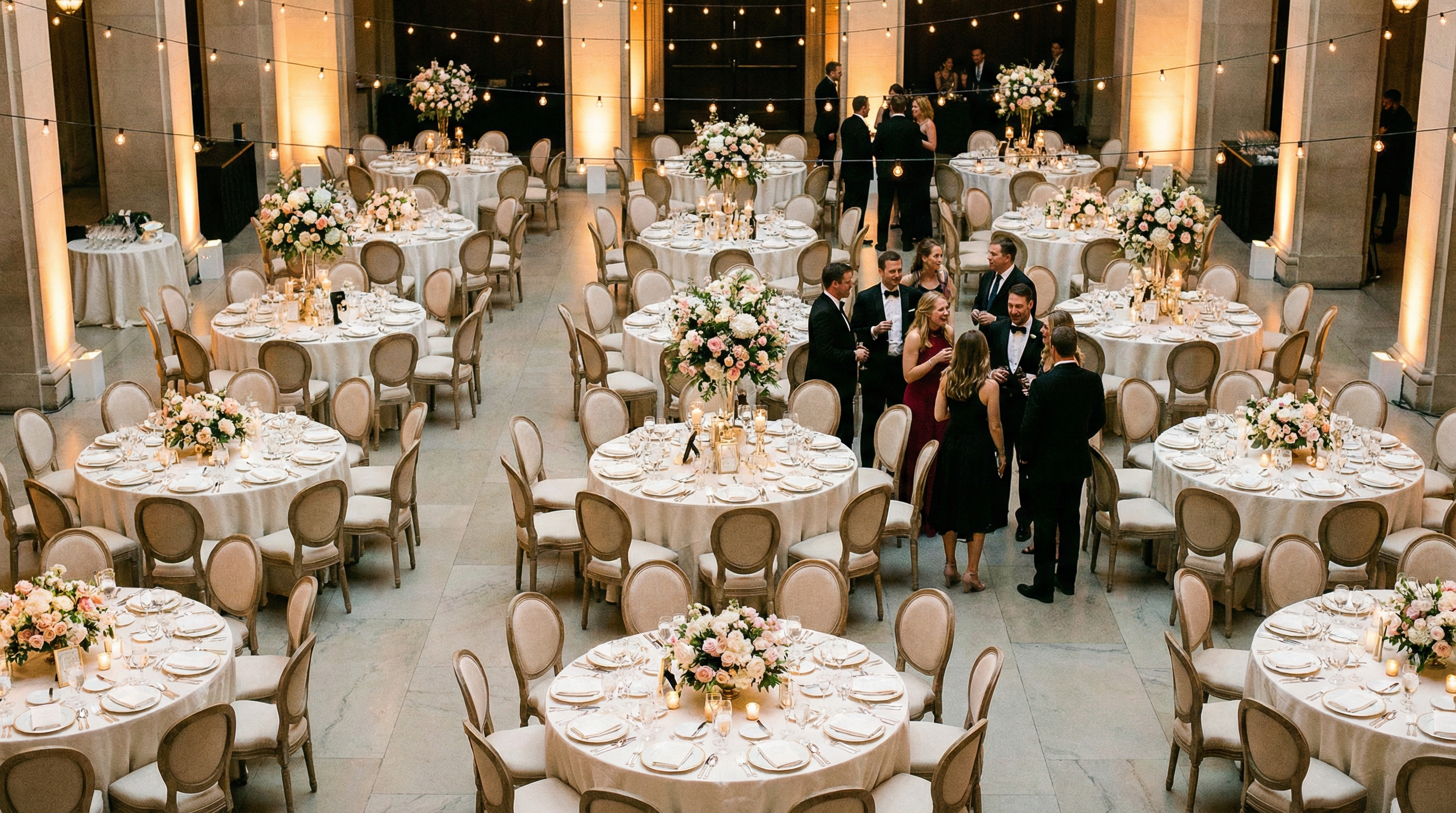
For a community gathering, a more flexible layout may be appropriate. Consider using round tables to encourage conversation and interaction. A designated area for food service can be placed at the back of the room. Ensure adequate space for children to play and participate in activities. A stage can be used for announcements or presentations.
For a religious celebration, such as Eid, a layout that emphasizes prayer space accessibility is essential. Clear pathways to the Musallah should be maintained. Separate seating areas for men and women can be arranged to maximize space utilization. A stage can be used for religious lectures or performances. Ensure adequate space for attendees to perform ablutions (Wudu) before prayer.
Remember to use EventFloorPlanner.com's pre-made templates as a starting point. They can save you time and provide inspiration for your own unique layout.
Optimizing Space Utilization in Mosque Events
Maximizing space utilization is crucial for ensuring that your mosque event space layout is both functional and comfortable. Here are some tips for optimizing space utilization:
- Choose the right furniture: Select furniture that is appropriately sized for the space and the number of attendees. Avoid oversized furniture that takes up too much space.
- Utilize vertical space: Use shelves, cabinets, and other vertical storage solutions to maximize storage space. This will help keep the event space clean and organized.
- Create multi-purpose areas: Designate areas that can be used for multiple purposes. For example, a seating area can also be used as a prayer space.
- Minimize clutter: Keep the event space free of clutter. Remove any unnecessary items that take up space or obstruct the flow of traffic.
- Use mirrors: Mirrors can create the illusion of more space. Place mirrors strategically to make the event space feel larger and more open.
By following these tips, you can optimize space utilization and create a mosque event space layout that is both functional and aesthetically pleasing.
Common Mistakes to Avoid in Mosque Event Layouts
Even with careful planning, it's easy to make mistakes when designing a mosque event space layout. Here are some common mistakes to avoid:
- Ignoring cultural considerations: Failing to consider cultural norms and religious practices can lead to offense and discomfort. Always prioritize gender segregation, prayer space accessibility, and respect for the Qibla direction.
- Obstructing pathways: Obstructed pathways can create congestion and make it difficult for attendees to move around the event space. Ensure that all pathways are clear and unobstructed.
- Poor lighting and acoustics: Inadequate lighting and poor acoustics can detract from the overall experience. Ensure that the event space is well-lit and that the acoustics are optimized for speech and music.
- Neglecting safety: Neglecting safety can put attendees at risk. Ensure that the event space is free of hazards and that emergency exits are clearly marked.
Expert Tips for a Flawless Mosque Event Space Layout
To ensure a flawless mosque event space layout, consider these expert tips:
- Consult with religious leaders: Seek guidance from religious leaders to ensure that your layout is in accordance with Islamic teachings.
- Involve the community: Involve members of the community in the planning process to gather feedback and ensure that their needs are met.
- Conduct a walkthrough: Conduct a walkthrough of the event space to identify potential problems and make necessary adjustments.
- Prepare for contingencies: Have a backup plan in case of unexpected issues, such as inclement weather or equipment malfunctions.
By following these expert tips, you can create a mosque event space layout that is both functional and memorable.
Frequently Asked Questions
Written by
Event Floor Planner Team
Helping event planners create stunning floor plans and seating charts for weddings, corporate events, and special celebrations.
Stay in the Loop
Get expert event planning tips, layout ideas, and exclusive guides delivered weekly.
No spam. Unsubscribe anytime.
Related Articles
The Complete School Open House Layout Planning Guide (2026)
The Complete School Open House Layout Planning Guide (2026) A school open house is a crucial event. It's your chance to showcase your school's environment, culture, and educational opportunities t...
How to Nail Your Fantasy Draft Party Setup Every Time
How to Nail Your Fantasy Draft Party Setup Every Time Fantasy football draft season is more than just picking players; it's a sacred ritual. It's a time for smack talk, friendly competition, and t...
13 Benefit Concert Floor Plan Tips Your Guests Will Love
13 Benefit Concert Floor Plan Tips Your Guests Will Love Planning a benefit concert is no easy feat. You're juggling logistics, entertainment, and, most importantly, fundraising for a cause close...