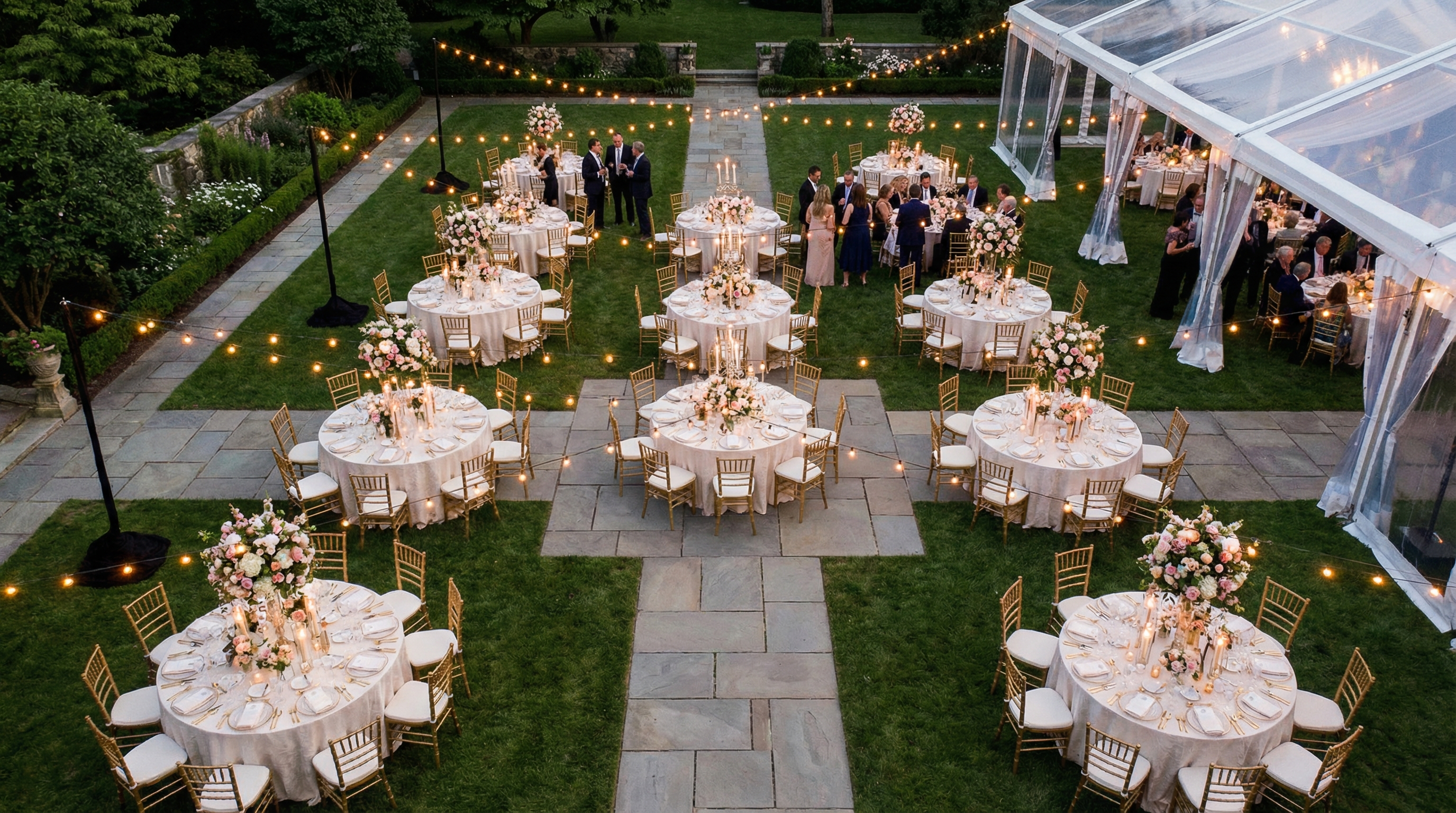
Finally — a Round vs Rectangular Table Layout Comparison Guide That Makes Sense
Planning an event? One of the biggest decisions you'll face is choosing the right table shape. Round tables? Rectangular tables? The choice impacts everything from seating capacity to the overall vibe of your event. It can feel overwhelming, but don't worry! This guide breaks down the pros and cons of each option, offering practical tips and examples to help you make the best decision for your specific needs. We'll explore how to maximize space, encourage interaction, and create a visually stunning layout that wows your guests. Let's dive in and make your event a success!
Key Takeaways
- Round tables foster a more intimate and social atmosphere.
- Rectangular tables are ideal for maximizing space and creating a formal setting.
- Consider your event type, guest count, and venue layout when making your decision.
Round Table Layouts: Intimacy and Interaction
Round tables are a classic choice for weddings, galas, and any event where fostering conversation is key. The circular shape encourages eye contact and makes it easier for guests to interact with everyone at the table. Imagine lively discussions and shared laughter flowing effortlessly around each table – that’s the power of a round table layout.
One of the biggest advantages of round tables is their ability to create a sense of intimacy. Guests feel more connected, leading to a warmer and more engaging atmosphere. This is especially important for events where you want people to mingle and build relationships. However, they can take up more space than rectangular tables, so careful planning is essential.
Think about the overall feel you want to create. Do you envision a relaxed and social gathering, or a more structured and formal affair? Round tables lean towards the former, promoting a friendly and inclusive environment. With the right centerpieces and linens, you can easily elevate the elegance of a round table setup. Don't forget to use a tool like EventFloorPlanner.com to visually map out your room before you start setting up.
Rectangular Table Layouts: Space and Structure
Rectangular tables offer a different set of advantages, particularly when it comes to space efficiency and creating a sense of formality. These tables are often arranged in long rows, making them ideal for banquet-style events, conferences, and weddings where you want to maximize seating capacity. The linear arrangement provides a clear sense of order and structure.
One of the key benefits of rectangular tables is their versatility. You can easily combine them to create larger seating areas or configure them in various patterns to fit the shape of your venue. This flexibility makes them a practical choice for events with limited space or unusual room layouts. Plus, they can be dressed up or down to suit the desired level of formality.
Rectangular tables are also great for creating a focal point, such as a head table for a wedding or a stage for a presentation. The linear arrangement naturally draws the eye and emphasizes the importance of the individuals seated at the head table or the presenters on stage. With clever styling and décor, you can transform a simple rectangular table setup into a stunning visual display.
Maximizing Space with Smart Table Arrangements
No matter which table shape you choose, maximizing space is crucial for creating a comfortable and functional event layout. Overcrowding can make guests feel cramped and uncomfortable, while too much empty space can make the event feel sparse and impersonal. Finding the right balance is key to creating a welcoming and enjoyable atmosphere.
Before you start arranging tables, take accurate measurements of your venue and create a detailed floor plan. This will help you visualize the space and determine the optimal number of tables and the best arrangement. Tools like EventFloorPlanner.com can be invaluable for this process, allowing you to experiment with different layouts and see how they look in 3D.
Consider the flow of traffic. Ensure that guests can easily move around the room without bumping into tables or chairs. Leave ample space between tables for servers to navigate and for guests to mingle. Pay attention to doorways, exits, and other potential bottlenecks, and adjust your layout accordingly. Remember, a well-planned layout will not only maximize space but also enhance the overall guest experience.
Measure Your Venue
Accurately measure the length, width, and height of your event space. Note any permanent fixtures, such as pillars, doorways, and windows.
Create a Floor Plan
Use a floor plan tool like EventFloorPlanner.com or draw a sketch of your venue. Mark the locations of all permanent fixtures.
Experiment with Layouts
Arrange tables and chairs in your floor plan, experimenting with different configurations to maximize space and ensure a smooth flow of traffic.
Creating a Welcoming Atmosphere: Table Spacing and Flow
Beyond maximizing space, table spacing and flow are critical for creating a welcoming and comfortable atmosphere. Guests should feel like they have enough room to move around, interact with others, and enjoy the event without feeling cramped or restricted. The goal is to strike a balance between maximizing seating capacity and providing a comfortable and enjoyable experience.
As a general rule, aim for at least 3 feet of space between tables to allow guests to easily walk between them. This will also give servers enough room to navigate the room without disturbing guests. Consider the type of event and the expected level of activity when determining the appropriate spacing. For a formal seated dinner, you may want to allow for slightly more space than for a more casual cocktail reception.
Pay attention to the placement of key elements, such as the dance floor, buffet tables, and bar. Ensure that these areas are easily accessible and that they don't create bottlenecks that could disrupt the flow of traffic. Use signage to direct guests to different areas of the venue and to help them navigate the layout. With careful planning and attention to detail, you can create a welcoming and functional space that enhances the overall guest experience.
Tips for Decorating Round Tables
Decorating round tables is an art form. It is about creating a visually appealing centerpiece that complements the table setting and enhances the overall ambiance of the event. The key is to strike a balance between elegance and functionality, ensuring that the centerpiece is both beautiful and practical.
One popular approach is to use floral arrangements as centerpieces. These can range from simple bouquets to elaborate cascading displays. Consider the color scheme and theme of your event when choosing flowers. Tall arrangements can add height and drama, while low arrangements allow for easier conversation across the table. You can also incorporate non-floral elements, such as candles, lanterns, or decorative objects, to add visual interest.
Don't forget the linens. Tablecloths and napkins can play a significant role in setting the tone of your event. Choose fabrics and colors that complement your centerpieces and other décor. Consider adding runners or overlays to add texture and visual appeal. With a little creativity and attention to detail, you can transform a simple round table into a stunning focal point.
Tips for Decorating Rectangular Tables
Decorating rectangular tables requires a different approach than decorating round tables. The linear shape of the table provides a natural canvas for creating long, flowing displays. The key is to use elements that complement the shape of the table and create a sense of visual harmony.
One popular approach is to use runners to add color and texture to the table. These can be placed down the center of the table or arranged in multiple rows to create a layered effect. Consider using different fabrics and colors to add visual interest. You can also incorporate floral arrangements, candles, and other decorative objects along the length of the table.
Pay attention to the height of your centerpieces. Tall arrangements can add drama and create a sense of grandeur, while low arrangements allow for easier conversation across the table. Consider mixing and matching different heights to create a more dynamic and visually appealing display. Don't be afraid to experiment with different styles and arrangements to find what works best for your event.
Round Table Layout Examples
Let's look at some practical examples of round table layouts in different event settings. These examples will illustrate how to effectively use round tables to create a welcoming and engaging atmosphere.
Wedding Reception: Imagine a wedding reception with round tables draped in elegant linens and adorned with lush floral centerpieces. Each table seats eight to ten guests, fostering intimate conversations and shared laughter. The dance floor is centrally located, encouraging guests to mingle and celebrate. The overall atmosphere is romantic and festive.
Corporate Gala: Picture a corporate gala with round tables arranged around a stage. Each table is equipped with a microphone, allowing guests to easily participate in Q&A sessions and other interactive activities. The centerpieces are elegant and understated, reflecting the professional nature of the event. The overall atmosphere is sophisticated and engaging.
"Round tables are a fantastic choice for events where you want to encourage interaction and create a sense of community. They foster a more intimate and engaging atmosphere, making guests feel more connected and involved." - Event Planning Expert
Rectangular Table Layout Examples
Now, let's explore some examples of rectangular table layouts in different event settings. These examples will demonstrate how to effectively use rectangular tables to maximize space and create a formal and structured environment.
Conference: Envision a conference with long rectangular tables arranged in rows, facing a stage. Each table is equipped with power outlets and internet access, allowing attendees to easily take notes and participate in online discussions. The layout is efficient and functional, maximizing seating capacity and minimizing distractions. The overall atmosphere is professional and focused.
Banquet: Picture a banquet with rectangular tables arranged in a U-shape, facing a head table. Each table is adorned with elegant linens and place settings, reflecting the formal nature of the event. The head table is elevated and decorated, emphasizing the importance of the individuals seated there. The overall atmosphere is grand and celebratory.
"Rectangular tables are ideal for events where you need to maximize space and create a sense of order and structure. They are perfect for conferences, banquets, and other events where efficiency and formality are key." - Venue Management Professional
Common Mistakes to Avoid
When planning your table layout, it's easy to make mistakes that can detract from the overall guest experience. Here are some common pitfalls to avoid:
- Overcrowding: Cramming too many tables into a small space can make guests feel uncomfortable and restricted.
- Poor Traffic Flow: Failing to consider the flow of traffic can create bottlenecks and make it difficult for guests to move around the venue.
- Ignoring Venue Limitations: Not taking into account the shape and size of the venue can result in a poorly planned and inefficient layout.
- Neglecting Accessibility: Forgetting to provide adequate space for guests with disabilities can make them feel excluded and uncomfortable.
Expert Tips for a Flawless Table Layout
To ensure a flawless table layout, consider these expert tips:
- Start with a Floor Plan: Use a tool like EventFloorPlanner.com to create a detailed floor plan of your venue. This will help you visualize the space and experiment with different layouts.
- Consider the Event Type: Choose table shapes and arrangements that are appropriate for the type of event you are hosting. Round tables are great for social gatherings, while rectangular tables are better for formal events.
- Prioritize Guest Comfort: Make sure to leave enough space between tables for guests to move around easily, and provide comfortable seating options.
- Pay Attention to Detail: From linens to centerpieces, every detail matters. Choose elements that complement your overall theme and create a cohesive and visually appealing look.
"The key to a successful table layout is to balance aesthetics with functionality. You want to create a visually stunning space that is also comfortable and practical for your guests." - Interior Design Consultant
Frequently Asked Questions
Written by
Event Floor Planner Team
Helping event planners create stunning floor plans and seating charts for weddings, corporate events, and special celebrations.
Stay in the Loop
Get expert event planning tips, layout ideas, and exclusive guides delivered weekly.
No spam. Unsubscribe anytime.
Related Articles
The Best Seating Chart for Divorced Parents Secret That Saves Hours of Planning
Divorced Parents at Your Wedding: The Seating Chart Nightmare You are engaged. Congratulations. But now comes the hard part: planning the reception. And if your parents are divorced, that recepti...
9 Bridal Party Seating Ideas That'll Make Your Guests Say WOW
Your Bridal Party Deserves a Seating Plan That Wows Let's be real for a second. You've spent months planning your wedding. The dress is perfect. The flowers are stunning. But have you thought about...
Why 21% of Couples Get Sweetheart Table Setup Wrong (And How to Fix It)
Your Wedding Reception's Focal Point Is Broken Let's be honest. You've spent months planning your wedding. You've picked the perfect dress, the flowers, and the menu. But have you thought about wh...