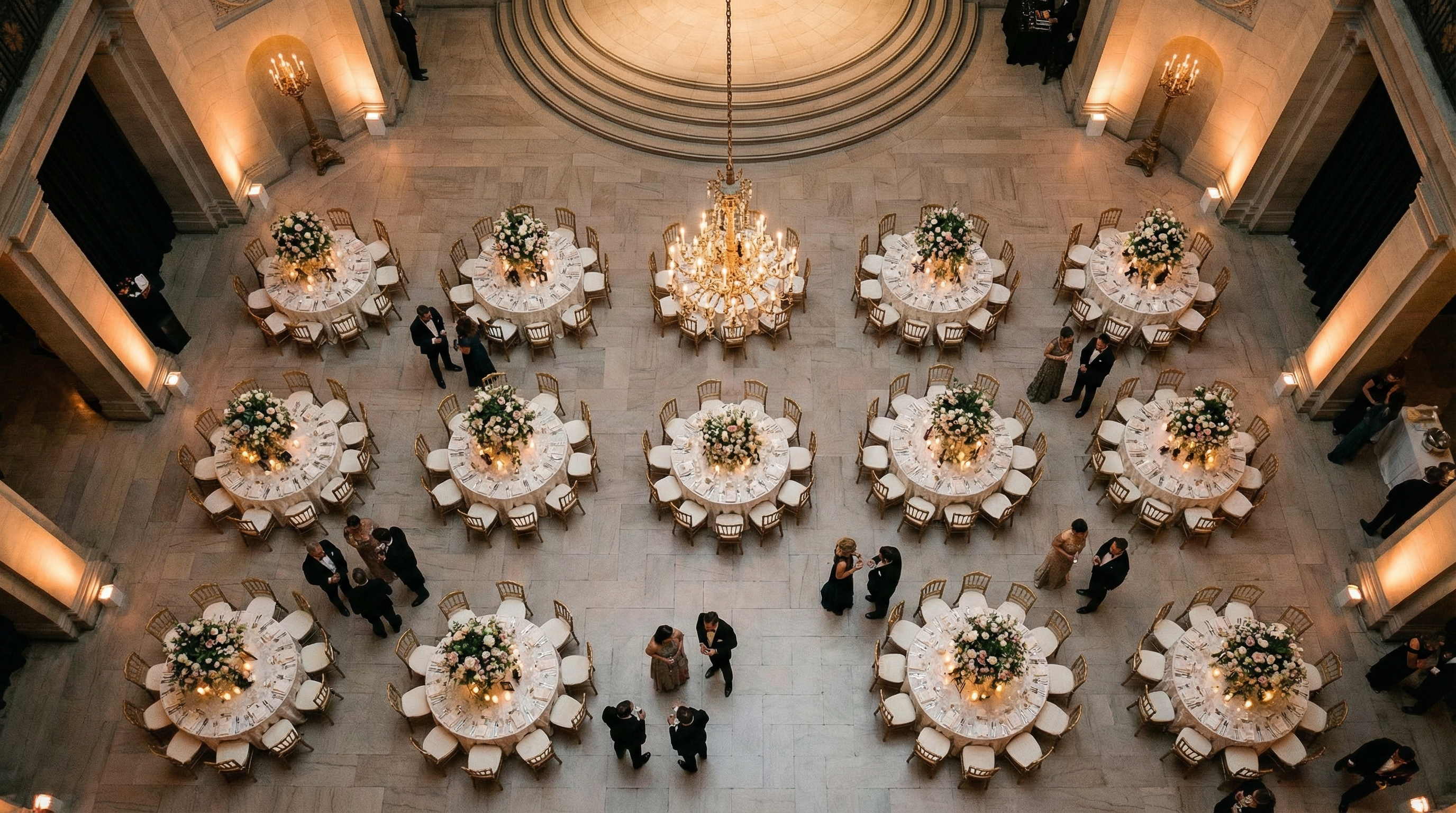
Farm Venue Layout: What to Know Before You Book
Dreaming of saying "I do" surrounded by rustic charm and rolling fields? Farm venues offer a unique and unforgettable setting for weddings, corporate retreats, and milestone celebrations. But before you book that picturesque barn, it's crucial to understand the ins and outs of farm venue layout. Unlike traditional venues, farms often present unique challenges and opportunities when it comes to space planning, logistics, and creating the perfect atmosphere. This comprehensive guide will walk you through everything you need to consider, from maximizing space to working with the natural landscape, ensuring your farm venue event is a resounding success.
Key Takeaways
- Careful planning is essential for successful farm venue layouts due to unique space and logistical challenges.
- Consider the flow of your event and guest experience when designing the layout.
- Utilize the natural landscape and existing structures to enhance the event's ambiance.
Understanding the Unique Challenges of Farm Venues
Farm venues offer a distinct charm, but they also come with specific considerations that differ from traditional event spaces. Think beyond the idyllic scenery; access, infrastructure, and potential weather challenges all play a crucial role in your farm venue layout.
One of the biggest hurdles is often the existing infrastructure. Farms may lack the dedicated event spaces, restrooms, or power outlets found in purpose-built venues. You'll need to consider how to bring these essential elements to the site, possibly through rentals or temporary installations.
Accessibility is another key factor. Are the paths and walkways suitable for guests with mobility issues? Is there ample parking, and is it easily accessible from the event area? Don't forget to plan for vendors, catering staff, and deliveries.
Finally, weather is an unpredictable element. Farms are exposed to the elements, so you'll need a backup plan in case of rain, extreme heat, or strong winds. This might involve a tent, indoor space, or adjustments to the event schedule.
Mapping Your Event Flow: The Key to a Successful Farm Venue Layout
A well-planned event flow is essential for a positive guest experience. Think about how people will move through the space, from arrival to departure. Consider the location of key areas like the ceremony site, cocktail hour space, dining area, dance floor, and restrooms. The farm venue layout should facilitate a smooth and logical progression, minimizing bottlenecks and maximizing enjoyment.
Start by visualizing the guest journey. Where will they park? How will they be greeted? Where will they go for the ceremony? How will they transition to the reception? By mapping out these movements, you can identify potential problem areas and optimize the layout for efficiency and comfort.
Consider the acoustics of the space. If you're planning an outdoor ceremony, ensure the sound system is adequate for the area. If the reception is in a barn, think about how the sound will travel and whether you need acoustic treatments to minimize echo.
Don't forget about lighting. Farm venues can be dark at night, so you'll need to provide adequate lighting for safety and ambiance. String lights, lanterns, and spotlights can create a magical atmosphere while illuminating pathways and highlighting key features.
Leveraging the Natural Landscape: Incorporating Farm Features into Your Design
One of the biggest advantages of a farm venue is its natural beauty. Use the existing landscape to your advantage, incorporating features like fields, gardens, trees, and ponds into your farm venue layout. Highlight scenic views, create intimate seating areas, and use natural elements as décor.
Consider the time of year and the seasonal changes in the landscape. A field of wildflowers can be a stunning backdrop for a summer wedding, while a rustic barn surrounded by autumn foliage can create a cozy and intimate atmosphere for a fall celebration.
Don't be afraid to get creative with natural elements. Use hay bales as seating, create floral arrangements with local wildflowers, or incorporate branches and logs into the décor. These touches will add a unique and authentic feel to your event.
Respect the environment. Avoid damaging the landscape or disturbing wildlife. Use eco-friendly products and practices, and leave the venue as you found it.
Step-by-Step Guide to Planning Your Farm Venue Layout
Ready to start planning your farm venue layout? Follow these steps to create a functional and beautiful space for your event:
Before You Start
- Obtain a detailed map of the farm venue.
- Determine the number of guests.
- Create a list of all activities and events that will take place.
Assess the Site
Walk the property with the venue owner or manager. Identify potential locations for the ceremony, reception, cocktail hour, and other activities. Note any challenges, such as uneven terrain, limited access, or lack of power outlets.
Create a Floor Plan
Use a tool like EventFloorPlanner.com to create a detailed floor plan of the venue. Indicate the location of tables, chairs, dance floor, stage, bar, restrooms, and other essential elements. Consider the flow of traffic and the placement of exits.
Consider Power and Utilities
Determine the power requirements for lighting, sound systems, catering equipment, and other electrical devices. Ensure the venue has adequate power outlets or plan to rent a generator. Also, confirm the availability of water and restroom facilities.
Plan for Weather
Develop a contingency plan in case of inclement weather. This might involve renting a tent, moving the event indoors, or adjusting the schedule. Consider providing umbrellas, blankets, or fans for guests' comfort.
Review and Revise
Share your floor plan with the venue owner, caterer, and other vendors. Get their feedback and make any necessary revisions. Be prepared to adjust the layout as needed based on their input and any unforeseen challenges.
Optimizing Space Utilization: Making the Most of Your Farm Venue
Farm venues can range from sprawling estates to cozy barns. Regardless of size, it's crucial to optimize space utilization to create a comfortable and functional environment. Clever farm venue layout can maximize space and minimize wasted areas.
Consider using multi-functional spaces. For example, the ceremony site could be transformed into a cocktail hour area after the vows are exchanged. The dance floor could also serve as a lounge area during dinner.
Choose furniture that is both stylish and space-saving. Consider using long banquet tables instead of individual round tables to maximize seating capacity. Opt for chairs that can be easily stacked and stored when not in use.
Utilize vertical space. Hang string lights, banners, or floral arrangements from the ceiling or rafters to add visual interest and create a sense of intimacy. Use tall centerpieces to draw the eye upward and make the space feel larger.
Create distinct zones within the venue. Use rugs, dividers, or changes in lighting to define different areas, such as the dining area, lounge area, and dance floor. This will help to create a sense of order and flow.
Lighting and Ambiance: Setting the Mood at Your Farm Venue
Lighting plays a crucial role in setting the mood and creating the right ambiance for your farm venue event. Strategic lighting can transform a rustic barn into a romantic setting or highlight the natural beauty of the landscape. Consider both functional and decorative lighting when planning your farm venue layout.
Functional lighting is essential for safety and visibility. Ensure pathways, walkways, and parking areas are well-lit to prevent accidents. Provide adequate lighting for food service areas and restrooms.
Decorative lighting can enhance the ambiance and create a specific mood. String lights, lanterns, candles, and spotlights can be used to create a romantic, festive, or sophisticated atmosphere.
Consider the color temperature of the lighting. Warm lighting (yellowish hues) creates a cozy and inviting atmosphere, while cool lighting (bluish hues) creates a more modern and sophisticated feel.
Use lighting to highlight key features of the venue, such as the barn, the gardens, or the scenic views. Uplighting trees can create a dramatic effect, while spotlights can highlight architectural details.
Farm Venue Layout Examples: Inspiration for Your Event
Looking for inspiration for your farm venue layout? Here are a few examples to get you started:
- Rustic Wedding: A ceremony in a wildflower field, followed by a reception in a barn with string lights, wooden tables, and mason jar centerpieces.
- Corporate Retreat: Team-building activities in the fields, followed by a barbecue dinner under a tent with picnic tables and lawn games.
- Milestone Celebration: A cocktail hour in the garden, followed by a formal dinner in a renovated barn with elegant lighting and floral arrangements.
Consider the specific features of your venue and the overall style of your event when choosing a layout. Don't be afraid to mix and match elements from different examples to create a unique and personalized design.
Here's a quote to inspire your venue design:
Common Mistakes to Avoid in Farm Venue Layout Planning
Planning a farm venue layout can be complex, and it's easy to make mistakes. Here are some common pitfalls to avoid:
Ignoring the weather. Always have a backup plan in case of rain, extreme heat, or strong winds. Provide shelter, shade, or other accommodations as needed.
Underestimating power needs. Ensure the venue has adequate power for all your lighting, sound, and catering equipment. Rent a generator if necessary.
Not considering the flow of traffic. Plan the layout to minimize bottlenecks and ensure a smooth flow of traffic between different areas of the venue.
Expert Tips for a Flawless Farm Venue Event
Want to take your farm venue event to the next level? Here are some expert tips to ensure a flawless experience:
Hire a professional event planner with experience in farm venues. They can help you navigate the unique challenges and opportunities of these spaces and create a layout that is both functional and beautiful.
Work closely with your caterer to ensure they have adequate space and equipment for food preparation and service. Consider the location of the kitchen, serving stations, and dining area when planning the layout.
Communicate clearly with all your vendors about the farm venue layout and their specific needs. Provide them with a detailed floor plan and schedule to ensure everyone is on the same page.
Do a walkthrough of the venue with your vendors before the event to identify any potential problems and make sure everything is in place.
Consider using free floor plan templates as a starting point for your layout.
Remember this quote from a famous event planner:
Frequently Asked Questions
Written by
Event Floor Planner Team
Helping event planners create stunning floor plans and seating charts for weddings, corporate events, and special celebrations.
Stay in the Loop
Get expert event planning tips, layout ideas, and exclusive guides delivered weekly.
No spam. Unsubscribe anytime.
Related Articles
Emergency Exit Planning Explained: 13 Layouts for Every Situation
Emergency Exit Planning Explained: 13 Layouts for Every Situation Planning an event? You're probably focused on seating charts, decorations, and entertainment. But there's something even more cruc...
The Math Behind Perfect Dance Floor Dimensions (Simplified)
The Math Behind Perfect Dance Floor Dimensions (Simplified) /* Basic styling - feel free to expand */ body { font-family: Arial, sans-serif; line-height: 1.6; margin: 20px; } h2 {...
Real Ski Lodge Event Layout Layouts From Real Events
Dreaming of a Ski Lodge Event? Let's Plan the Perfect Layout! Imagine this: crisp mountain air, a crackling fireplace, and your closest friends and family gathered in a cozy ski lodge. A ski lo...