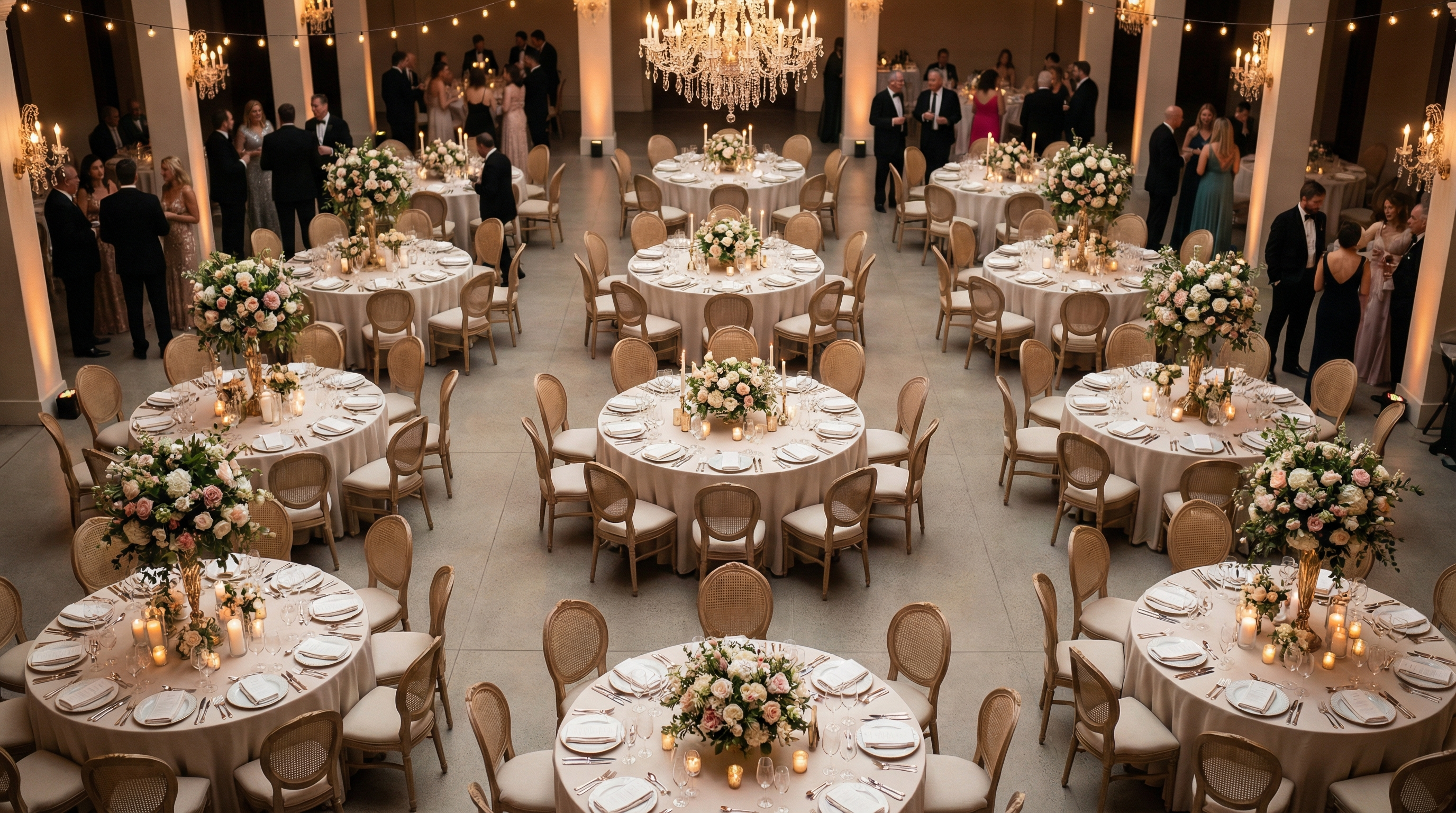
Everything You Need to Know About School Assembly Seating Plans
Planning a school assembly? Don't underestimate the importance of your seating arrangement! A well-thought-out school assembly seating plan can make the difference between an engaging, orderly event and a chaotic, distracting one. From elementary schools to high schools, the right seating plan ensures all students can see and hear, promotes a positive atmosphere, and streamlines crowd control. Let's dive into the essential elements of creating an effective seating plan, exploring different layouts, age-appropriate considerations, and the tools to make the process easier.
Whether you're organizing a holiday concert, an awards ceremony, or a guest speaker event, this guide provides the knowledge you need to create a seating plan that maximizes the impact of your school assembly. We'll cover everything from understanding your venue's capacity to utilizing free online tools like EventFloorPlanner.com to design the perfect layout.
Key Takeaways
- A well-planned seating arrangement is crucial for successful school assemblies.
- Consider age, visibility, and accessibility when designing your plan.
- Software tools like EventFloorPlanner.com can simplify the planning process.
Why Does Your School Assembly Seating Plan Matter?
Think about the last poorly organized event you attended. Was it difficult to see the stage? Were people talking and disrupting the presentation? A haphazard seating arrangement contributes to these problems. A good school assembly seating plan directly impacts student engagement and behavior. When students are comfortable and can easily see and hear the presentation, they're more likely to participate and remain attentive.
Beyond engagement, a well-structured plan is essential for safety and organization. Clear aisles and designated seating areas enable smooth entry and exit, preventing congestion and potential accidents. This is particularly crucial in emergencies where quick evacuation is necessary. Furthermore, a thoughtful seating plan can foster a sense of community and respect, creating a positive environment for everyone involved.
Consider also that the seating arrangement speaks volumes about the event itself. A carefully planned layout demonstrates respect for the students, presenters, and the overall purpose of the assembly. It sets the tone for a positive and productive experience.
Key Factors to Consider When Planning
Several key factors influence the design of your school assembly seating plan. First, you must know your venue's capacity. How many students, teachers, and guests can the space comfortably accommodate? Use a Venue Capacity Calculator to get an accurate estimate. Overcrowding not only violates fire codes but creates a stressful and uncomfortable environment.
Next, consider the age of the students. Younger children require closer supervision and may benefit from sitting on the floor in a designated area. Older students can typically handle more formal seating arrangements. Visibility is paramount. Ensure everyone has a clear line of sight to the stage or presentation area. Avoid obstructions like pillars or low-hanging decorations. Finally, accessibility is a must. Provide designated seating for students with disabilities, ensuring they can participate fully in the assembly.
Other factors include the type of event, the number of presenters, and the availability of seating. A musical performance might require different seating than a guest speaker presentation. If you have limited seating, you might need to stagger seating times or explore alternative arrangements.
Popular Seating Layouts: Which One is Right for You?
Choosing the right layout is a crucial step in creating an effective school assembly seating plan. Several popular options exist, each with its own advantages and disadvantages. Here are a few of the most common:
- Auditorium Style: Rows of chairs facing the stage. This is ideal for large audiences and formal presentations.
- Cafeteria Style: Students seated at tables facing the stage. Good for events involving food or group activities.
- Floor Seating: Students sit on the floor, often with mats or cushions. Suitable for younger children and informal gatherings.
- Circle Seating: Students sit in a circle, promoting interaction and discussion. Best for smaller groups and participatory events.
- U-Shape Seating: Chairs arranged in a U-shape facing the stage. Allows for good visibility and interaction with the presenter.
The best layout for your school assembly depends on the specific event and the characteristics of your venue. Consider the number of attendees, the age of the students, and the purpose of the gathering. Don't be afraid to experiment with different layouts to find the one that works best for you.
Step-by-Step: Creating Your Seating Plan with EventFloorPlanner.com
Creating a detailed school assembly seating plan doesn't have to be a headache. With the right tools, you can streamline the process and ensure a successful event. EventFloorPlanner.com is a free, user-friendly online tool that allows you to design your layout with ease. Here's a step-by-step guide:
Measure Your Venue
Accurately measure the dimensions of your assembly area. Note the location of doors, windows, and any permanent fixtures.
Access EventFloorPlanner.com
Visit EventFloorPlanner.com. No signup is required! Start with a blank canvas or choose from free templates to save time.
Recreate Your Venue
Use the drag-and-drop interface to recreate your venue's layout. Add walls, doors, and windows to accurately represent the space.
Add Seating
Choose your desired seating arrangement (auditorium, cafeteria, etc.) and add chairs, tables, or floor space as needed. Adjust the placement and spacing to ensure optimal visibility and accessibility.
Label and Organize
Label seating sections for different classes or groups. This helps with crowd control and makes it easier for students to find their assigned spots.
Finalize and Share
Review your plan to ensure everything is accurate and optimized. Save your design and share it with teachers, staff, and volunteers. You can print it out or access it on a tablet during the assembly for easy reference.
Using EventFloorPlanner.com simplifies the complex task of creating a school assembly seating plan. The drag-and-drop interface and customizable features allow you to create a professional-looking layout in minutes. Best of all, it's free and requires no signup!
Optimizing Your Seating Plan for Different Age Groups
One size doesn't fit all when it comes to school assembly seating plans. Consider the specific needs and behaviors of different age groups to create an optimal experience for everyone. Here's how to tailor your plan:
- Elementary School: Younger children require closer supervision and more space. Floor seating can be a good option, allowing them to move around and stay comfortable. Designate specific areas for each class and provide clear visual cues to help them find their spots.
- Middle School: Middle schoolers are more independent but still benefit from structured seating. Auditorium-style seating or cafeteria-style tables can work well. Consider assigning seating to minimize distractions and promote good behavior.
- High School: High school students can typically handle more formal seating arrangements. Auditorium-style seating is common. Ensure clear aisles and exits to facilitate smooth entry and exit. Consider allowing students to choose their own seats within designated sections.
Remember to factor in attention spans. Younger children may need shorter assemblies with more frequent breaks. Older students can handle longer events but still benefit from engaging presentations and interactive elements.
Tips for Managing Crowd Control During School Assemblies
Effective crowd control is essential for ensuring a safe and orderly school assembly. A well-planned seating arrangement is the foundation, but other strategies can further enhance the process. Here are some key tips:
- Clear Signage: Use clear and visible signs to direct students to their designated seating areas.
- Designated Entrances and Exits: Clearly mark entrances and exits to prevent congestion and confusion.
- Teacher Supervision: Assign teachers to supervise specific sections of the assembly area. Their presence can help maintain order and address any issues that arise.
- Pre-Assembly Instructions: Before the assembly begins, provide clear instructions to students about seating procedures, expected behavior, and emergency protocols.
- Staggered Entry and Exit: Consider staggering entry and exit times for different classes or groups to minimize congestion.
By implementing these strategies, you can create a smooth and orderly experience for everyone attending the school assembly.
Examples of Successful School Assembly Seating Plans
Let's look at some examples of successful school assembly seating plans and why they work:
Example 1: Elementary School Holiday Concert
For a holiday concert with young children, the school used floor seating with colorful mats. Each class had a designated area with large, easy-to-read signs. Teachers sat along the perimeter to supervise. This arrangement allowed the children to be comfortable and move around while still maintaining order.
Example 2: Middle School Guest Speaker Event
For a guest speaker event, the middle school used auditorium-style seating with assigned seats. The seating chart was organized alphabetically by last name within each grade. This minimized distractions and ensured everyone had a clear view of the stage.
Example 3: High School Awards Ceremony
For the high school awards ceremony, they used a combination of auditorium-style seating and tables for special guests. The front rows were reserved for award recipients and their families. This arrangement created a sense of honor and importance for those being recognized.
These examples demonstrate how to tailor your school assembly seating plan to the specific needs of the event and the age group involved.
Common Mistakes to Avoid When Planning Your Seating
Even with careful planning, it's easy to make mistakes when designing your school assembly seating plan. Here are some common pitfalls to avoid:
- Ignoring Accessibility: Failing to provide adequate seating for students with disabilities is a serious oversight. Ensure accessible seating is available and clearly marked.
- Overcrowding: Cramming too many students into a limited space creates a stressful and unsafe environment. Adhere to fire codes and prioritize comfort.
- Poor Visibility: Obstructions like pillars or low-hanging decorations can block students' view of the stage. Conduct a visibility check before finalizing your plan.
- Lack of Supervision: Insufficient teacher supervision can lead to disruptive behavior. Assign teachers to specific sections and ensure they are actively monitoring students.
By avoiding these common mistakes, you can create a school assembly seating plan that promotes a positive and productive experience for everyone.
Expert Tips for a Flawless School Assembly
Want to take your school assembly seating plan to the next level? Here are some expert tips to ensure a flawless event:
- Conduct a Dress Rehearsal: Before the actual assembly, conduct a dress rehearsal with a small group of students to test your seating plan and identify any potential issues.
- Communicate Clearly: Communicate your seating plan to students, teachers, and volunteers well in advance. Provide clear instructions and visual aids to help everyone understand the arrangements.
- Be Flexible: Be prepared to make adjustments to your seating plan on the fly. Unexpected issues may arise, and it's important to be adaptable.
- Solicit Feedback: After the assembly, solicit feedback from students, teachers, and volunteers. Use this feedback to improve your seating plan for future events.
By following these expert tips, you can create a school assembly seating plan that is both effective and efficient.
Frequently Asked Questions
Written by
Event Floor Planner Team
Helping event planners create stunning floor plans and seating charts for weddings, corporate events, and special celebrations.
Stay in the Loop
Get expert event planning tips, layout ideas, and exclusive guides delivered weekly.
No spam. Unsubscribe anytime.
Related Articles
The Best Seating Chart for Divorced Parents Secret That Saves Hours of Planning
Divorced Parents at Your Wedding: The Seating Chart Nightmare You are engaged. Congratulations. But now comes the hard part: planning the reception. And if your parents are divorced, that recepti...
9 Bridal Party Seating Ideas That'll Make Your Guests Say WOW
Your Bridal Party Deserves a Seating Plan That Wows Let's be real for a second. You've spent months planning your wedding. The dress is perfect. The flowers are stunning. But have you thought about...
Why 21% of Couples Get Sweetheart Table Setup Wrong (And How to Fix It)
Your Wedding Reception's Focal Point Is Broken Let's be honest. You've spent months planning your wedding. You've picked the perfect dress, the flowers, and the menu. But have you thought about wh...