Emergency Exit Planning in Event Layouts Explained: 7 Layouts for Every Situation
Planning an event is exciting! But amidst the decorations, entertainment, and guest lists, one crucial aspect often gets overlooked: emergency exit planning. Ensuring the safety of your attendees should be your top priority. A well-thought-out event layout, with clearly marked and easily accessible emergency exits, is paramount. This isn't just about complying with regulations; it's about protecting lives. This guide will walk you through the essentials of emergency exit planning in event layouts, offering practical tips and layout examples to help you create a safe and enjoyable event for everyone.
Let's dive in and make sure your event is both memorable and safe!
Key Takeaways
- Emergency exit planning is crucial for event safety and legal compliance.
- Clear, unobstructed pathways to exits are essential.
- Different event types require tailored emergency exit strategies.
- Using tools like EventFloorPlanner.com simplifies layout design and safety planning.
Why is Emergency Exit Planning Important?
Emergency exit planning is more than just a formality; it's a legal and ethical responsibility. In the event of a fire, medical emergency, or other unforeseen circumstances, clear and accessible exits can be the difference between a safe evacuation and a catastrophic incident. Consider the potential consequences of neglecting this critical aspect of event planning: injuries, panic, and even loss of life.
Beyond the moral imperative, there are also legal ramifications. Most jurisdictions have strict regulations regarding emergency exits in public venues. Failure to comply can result in hefty fines, event shutdowns, and potential lawsuits. Make sure you understand the local codes and regulations for your event venue. Reviewing these requirements with the venue manager is a MUST.
By incorporating emergency exit planning into your event layout, you demonstrate a commitment to the well-being of your guests and protect yourself from potential liabilities. Remember, a safe event is a successful event!
Understanding Key Emergency Exit Requirements
Before you start designing your event layout, understanding the fundamental requirements for emergency exits is essential. These requirements are typically based on building codes and fire safety regulations, and they vary depending on the venue and occupancy. However, some core principles remain consistent across most jurisdictions.
First and foremost, exits must be clearly marked and readily visible. This means using illuminated exit signs that are easily seen from all areas of the venue, even in low-light conditions. Pathways to exits should be unobstructed and free of obstacles such as tables, chairs, decorations, and equipment. The width of the exit pathways must be sufficient to accommodate the expected number of occupants, as determined by local building codes.
Furthermore, the number and location of exits must be adequate for the size and layout of the event space. Generally, venues should have at least two exits, and larger venues may require more. Exits should be located in different areas of the venue to provide alternative escape routes in case one exit becomes blocked or unusable. Finally, emergency lighting should be installed to ensure that exits remain visible during a power outage.
Step-by-Step Guide to Integrating Emergency Exits into Your Event Layout
Now, let's get practical. Here’s a step-by-step guide to seamlessly integrate emergency exits into your event layout:
Before You Start
- Obtain a detailed floor plan of your event venue.
- Familiarize yourself with local building codes and fire safety regulations.
- Determine the maximum occupancy of the venue.
Identify Existing Exits
Locate and mark all existing emergency exits on your floor plan. Note their positions and widths.
Determine Required Exits
Based on the venue's occupancy and local regulations, determine if the existing exits are sufficient or if additional exits are needed. Use the Venue Capacity Calculator to help determine the best layout.
Plan Exit Pathways
Map out clear and unobstructed pathways from all areas of the venue to the emergency exits. Ensure that these pathways meet the minimum width requirements.
Design Your Layout
Use a floor plan tool like EventFloorPlanner.com to design your event layout, taking into account the location of exits and pathways. Ensure that tables, chairs, and other furnishings do not obstruct the exit routes.
Verify Compliance
Review your layout with the venue manager and/or a fire safety professional to ensure that it complies with all applicable regulations.
Communicate the Plan
Make sure event staff is aware of the emergency exit plan and trained to assist guests in the event of an emergency.
Optimizing Event Layouts for Efficient Evacuation
Creating a layout that not only looks great but also facilitates efficient evacuation requires careful consideration. Here are some tips to optimize your event layout for safety:
- Prioritize Clear Aisles: Wide, unobstructed aisles are crucial for allowing guests to move quickly and easily towards exits.
- Strategic Placement of Furniture: Arrange tables, chairs, and other furnishings in a way that doesn't create bottlenecks or block exit pathways.
- Avoid Dead Ends: Design your layout to eliminate dead ends or areas where guests could become trapped.
- Use Signage Effectively: Place clear and visible directional signs to guide guests towards exits.
- Consider Crowd Flow: Anticipate how guests will move through the venue and design the layout to accommodate the expected flow of traffic.
Remember, the goal is to create a layout that allows guests to evacuate quickly and safely in the event of an emergency. By following these tips, you can significantly improve the efficiency of your evacuation plan.
7 Event Layout Examples with Emergency Exit Strategies
Let's explore some specific event layout examples and how to integrate emergency exit strategies into each:
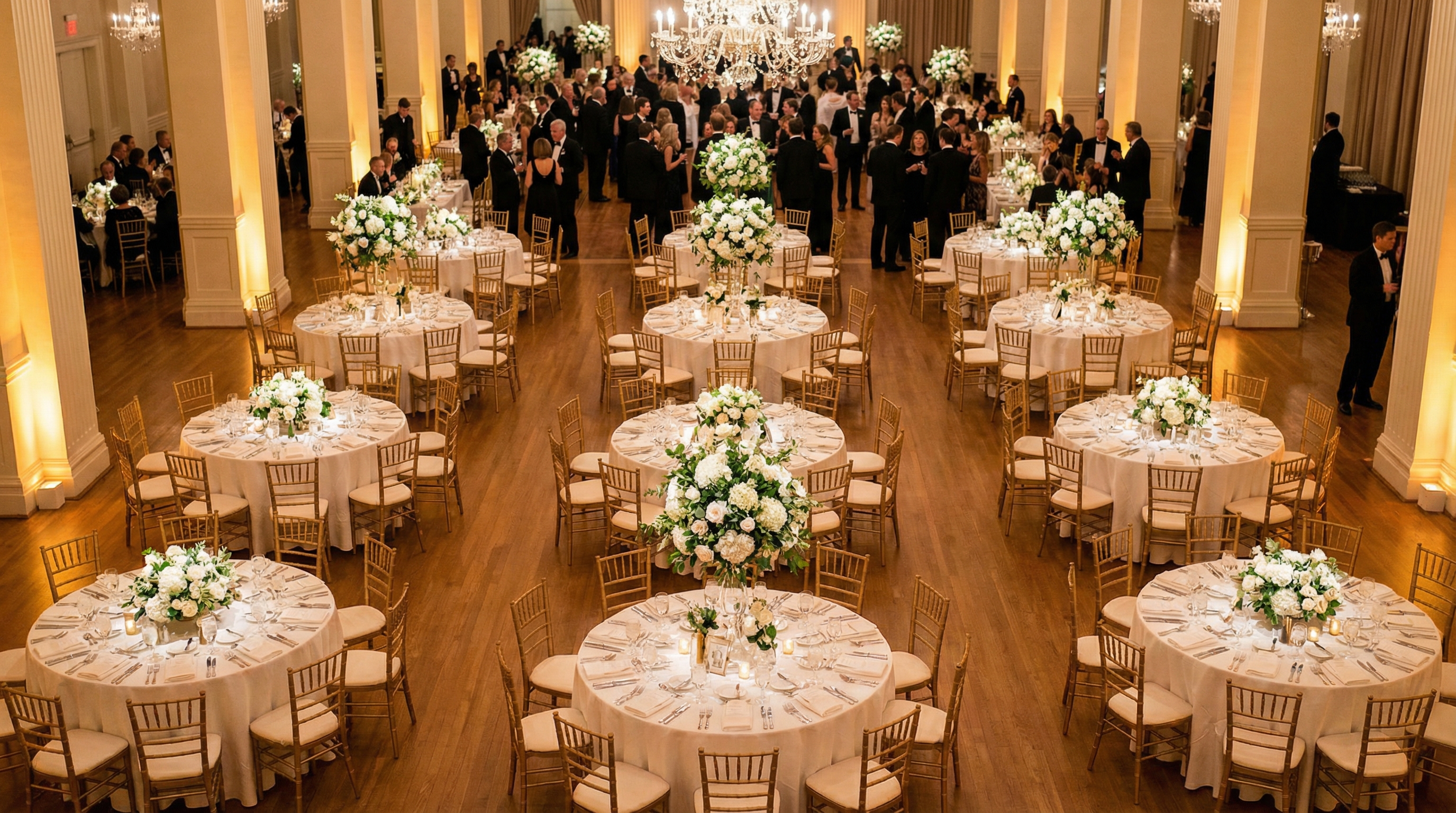
- 1Wedding Reception: Ensure that tables are arranged to create wide aisles leading to exits. Place the dance floor away from exit pathways to prevent congestion.
- 2Corporate Conference: Position seating in rows with ample space between them to allow for easy movement. Clearly mark exits at the front and back of the conference room.
- 3Trade Show: Arrange booths in a grid pattern with wide aisles to facilitate traffic flow. Provide clear signage indicating the location of exits.
- 4Concert: Designate specific entry and exit points to manage crowd flow. Ensure that security personnel are stationed near exits to assist with evacuation if needed.
- 5Fundraising Gala: Space tables generously to allow guests to move freely. Place the stage in a location that doesn't obstruct exit pathways.
- 6Birthday Party: Keep the layout simple and uncluttered. Ensure that exits are easily accessible and free of decorations.
- 7Outdoor Festival: Clearly mark exits with visible signage and lighting. Designate emergency assembly points away from the event area.
Each of these event types has unique layout considerations, but the principles of clear pathways, visible signage, and adequate exit capacity remain constant.
The Role of Technology in Emergency Exit Planning
Technology plays a vital role in modern emergency exit planning. Software like EventFloorPlanner.com allows you to create detailed event layouts, simulate crowd flow, and identify potential bottlenecks. These tools can help you optimize your layout for efficient evacuation and ensure that you meet all applicable safety regulations.
Furthermore, advanced technologies such as smart lighting and sensor-based exit signs can enhance the effectiveness of your emergency exit plan. Smart lighting systems can automatically illuminate exit pathways during a power outage, while sensor-based exit signs can dynamically guide guests towards the nearest available exit. Integrating these technologies into your event can significantly improve the safety and security of your attendees.
Common Mistakes to Avoid in Emergency Exit Planning
Even with careful planning, it's easy to make mistakes that can compromise the effectiveness of your emergency exit plan. Here are some common pitfalls to avoid:
- Obstructing Exits: Blocking emergency exits with furniture, decorations, or equipment is a serious safety hazard.
- Inadequate Signage: Failing to provide clear and visible exit signs can confuse guests and slow down evacuation.
- Insufficient Exit Capacity: Not having enough exits to accommodate the venue's occupancy can lead to overcrowding and panic.
- Lack of Emergency Lighting: Neglecting to install emergency lighting can make it difficult for guests to find exits during a power outage.
- Poor Communication: Not informing event staff about the emergency exit plan can hinder their ability to assist guests in the event of an emergency.
Expert Tips for Enhancing Event Safety
Beyond the basic requirements, there are several additional steps you can take to enhance event safety and improve your emergency exit plan:
- Conduct Regular Inspections: Inspect your event layout regularly to ensure that exits remain unobstructed and signage is visible.
- Practice Evacuation Drills: Conduct periodic evacuation drills to familiarize event staff with the emergency plan and identify any potential weaknesses.
- Coordinate with Local Authorities: Work closely with local fire and police departments to ensure that your event meets all applicable safety regulations.
- Provide First Aid Stations: Set up first aid stations staffed by trained medical personnel to provide immediate assistance to injured guests.
- Develop a Communication Plan: Establish a clear communication plan for disseminating information to guests and staff during an emergency.
By taking these extra steps, you can create a safer and more secure event for everyone involved. Remember that safety should be your top priority, and a well-prepared emergency exit plan is an essential component of any successful event.
Emergency Exit Planning and Venue Accessibility
When planning emergency exits, consider accessibility for all attendees. This includes ensuring that exit routes are accessible to individuals with disabilities. Ramps, wider doorways, and designated assistance areas are essential. Work closely with venue staff to identify and address any accessibility challenges.
Also, remember to clearly mark accessible exits and pathways with appropriate signage. Offer assistance to those who may need it during an evacuation. A comprehensive emergency plan prioritizes the safety and well-being of every guest, regardless of their abilities.
Frequently Asked Questions
Written by
Event Floor Planner Team
Helping event planners create stunning floor plans and seating charts for weddings, corporate events, and special celebrations.
Stay in the Loop
Get expert event planning tips, layout ideas, and exclusive guides delivered weekly.
No spam. Unsubscribe anytime.
Related Articles
Wedding Emergency Exits Made Easy: a Step-by-Step Guide
Your Wedding Safety Net: Why Emergency Exits Matter You have spent months planning your dream wedding. The flowers are perfect. The dress is stunning. The playlist is fire. But have you thought ab...
Layout Design for Networking Facilitation: the Visual Guide You've Been Searching for
Stop Hoping for Good Networking. Design for It. You have a room full of amazing people. The food is catered. The bar is open. And yet, everyone is glued to their phones or standing in awkward clus...
Finally — a Event Sketch Tool Guide That Makes Sense
Stop Guessing. Start Planning With an Event Sketch Tool You have a vision for your event. But getting that vision from your brain onto paper? That's a nightmare. You've tried graph paper. You'v...